The Art of Moving Through the World Lightly
There's a certain breed of traveler you spot in the golden hour at Haneda, nursing an espresso at a Lisbon pastelaria before the cruise ships dock, or checking into a discreet ryokan in Kanazawa while everyone else queues for Kyoto. They're never overdressed, never underprepared. Their carry on suggests capability without broadcasting it. They look like they belong everywhere because they're not trying to belong anywhere.
This is the quiet power of the everyday uniform.
The Philosophy of Packing Light, Living Well
Forget capsule wardrobes and minimalist manifestos. An everyday uniform isn't about deprivation it's about liberation. It's the sartorial equivalent of knowing exactly which natural wine bar to slip into at 11 PM in Buenos Aires, or which ferry to take to avoid the tourist crush in the Greek islands. It's insider knowledge applied to your own body.
I choose my pieces once, with intention and intelligence, then stop thinking about them. This is how I create bandwidth for what actually matters: the perfect pasta alle vongole in a Venetian bacaro, the architecture I notice while walking aimlessly through Copenhagen's Nørrebro, the conversation with a fellow traveler that turns into an impromptu dinner invitation.
Material Matters: The Fabric of Experience
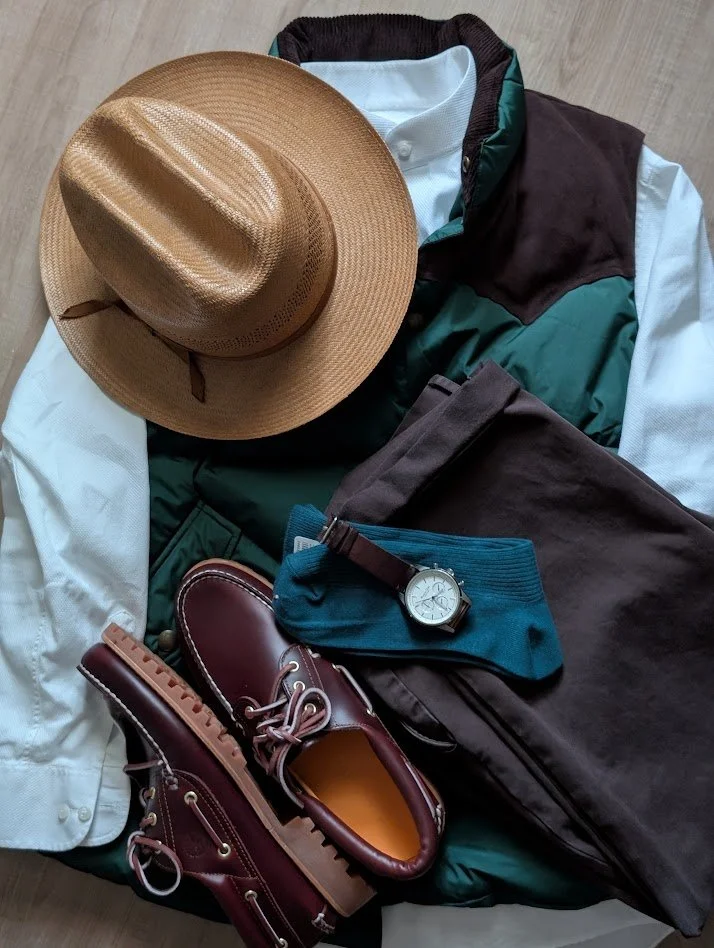
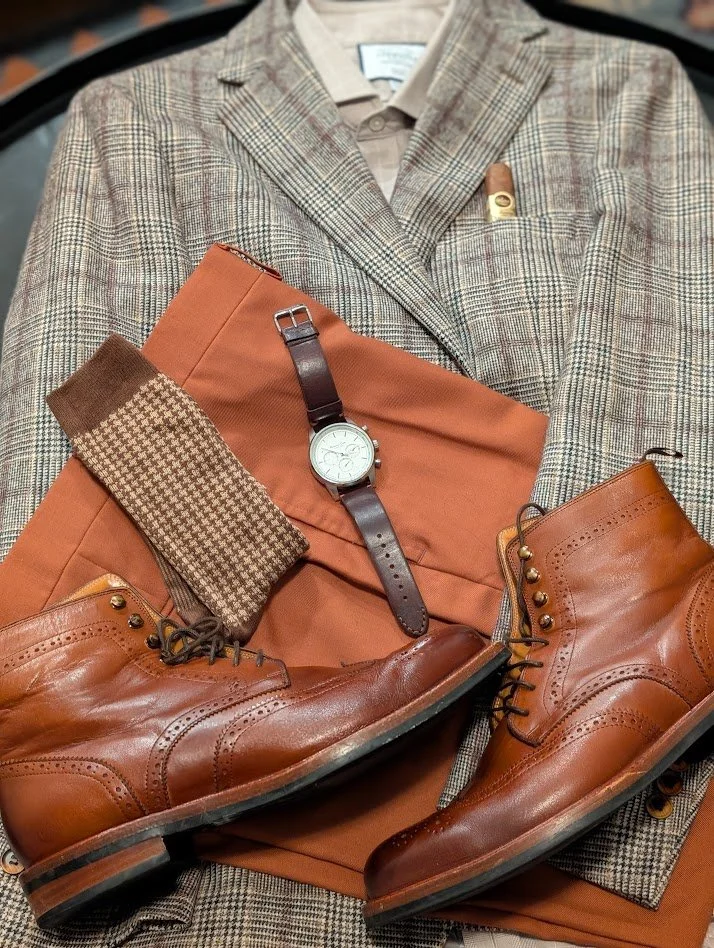
The foundation isn't fashion it's fabrication. Denim with a story already woven in. Japanese selvedge that improves with every border crossing. Wool that regulates whether I'm in a drafty château or an overheated metro. Leather that looks better scuffed, because patina is proof of life lived.
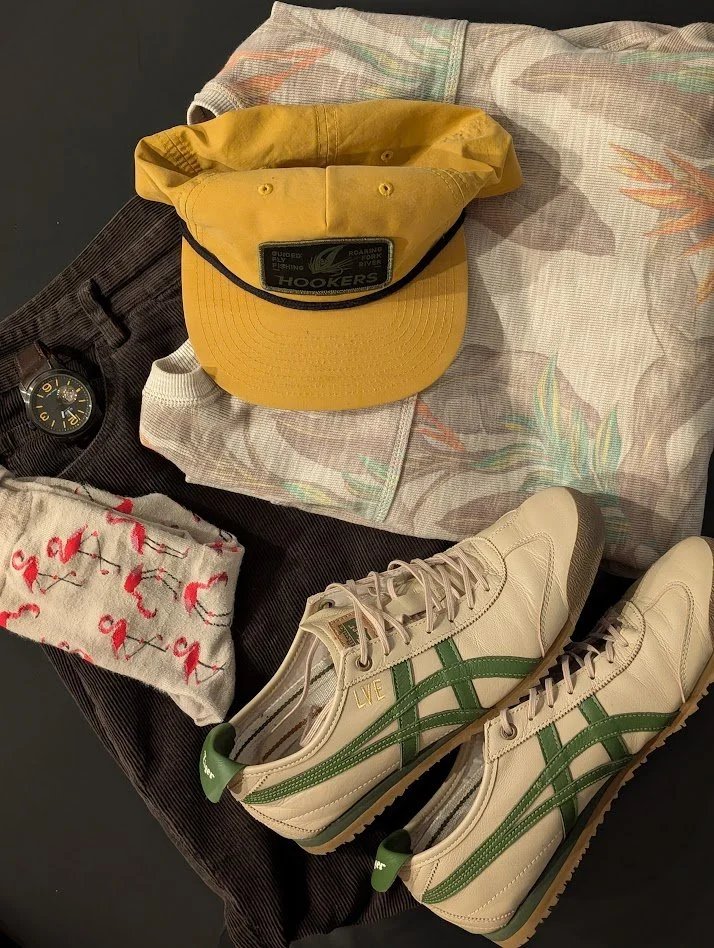
Take a pair of Imogene + Willie jeans. They're not making a statement; they're making a promise. Cut in Nashville with the kind of attention to detail usually reserved for bespoke tailoring, they understand that real travelers don't want clothes that need babying. We want clothes that work from a redeye to a rooftop bar, from cobblestones to coastlines.
These aren't jeans that photograph well. They're jeans that live well.
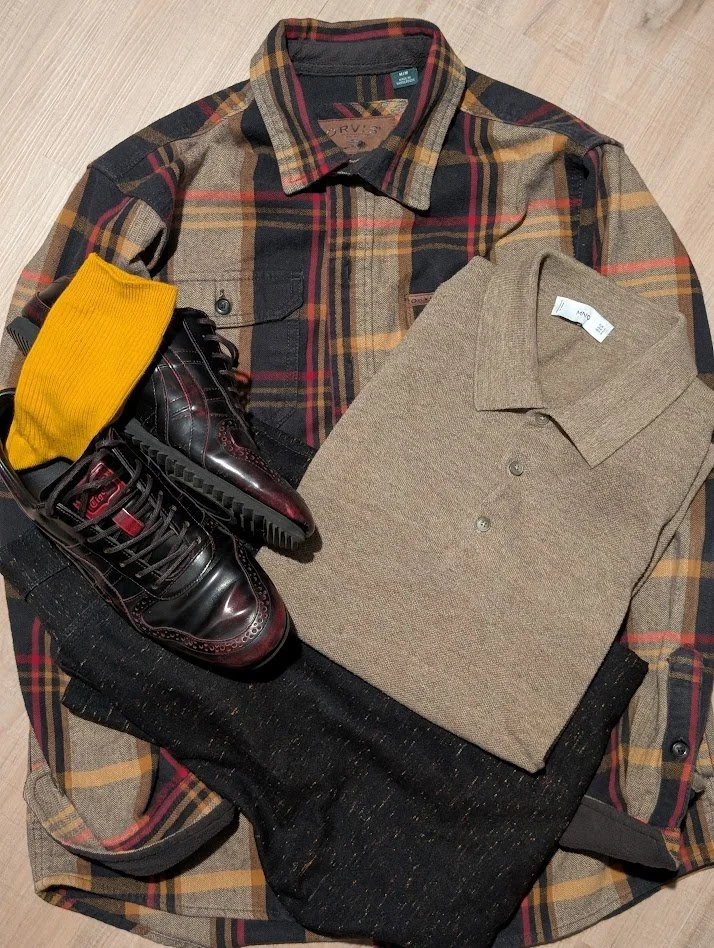
The same philosophy applies to footwear. Onitsuka Tiger boots engineered in Japan with that particular national genius for objects that perform quietly and endlessly are built for the traveler who measures cities in kilometers walked, not landmarks checked. They handle marble, mud, and mezzanines with equal composure. They never complain, which makes them the ideal travel companion.
The Supporting Cast
The best uniform pieces are the ones I forget I'm wearing. Muji wool socks are a masterclass in this no logo, no fanfare, just flawless execution of a simple brief. Slip them on and think about them never again. This is luxury redefined: not about what announces itself, but what disappears into excellence.
A clean knit from Mango does similar service. Neutral, adaptable, unfussy. It works in the morning for coffee and croissants, in the afternoon for gallery hopping, in the evening when I end up at someone's dinner party after a chance encounter at a wine shop. It doesn't compete with the experience; it enables it.
Layer over everything a broken-in plaid overshirt that perfect piece that reads equally as workwear and weekender. Good plaid doesn't date because it never tried to be contemporary. It just is. Throw it on over a t-shirt or under a coat. Let it wrinkle. Better yet, want it to wrinkle. Perfection is for people who don't actually go anywhere.
The Hideaway Principle
Here's what the everyday uniform really offers: it makes me present. When I'm not thinking about what I'm wearing, I'm actually there in the moment, in the city, in the conversation. I notice the way afternoon light hits a particular palazzo. I taste my wine instead of photographing it. I take the long way back to my hotel because I can, because I'm comfortable, because my clothes aren't demanding anything from me.
This mindset extends beyond the wardrobe. It's the same instinct that leads me to book the 12 room hotel instead of the 200 room resort. To eat where locals eat. To skip the "must see" for the "might love." To understand that the best travel isn't about collecting experiences like passport stamps it's about living them.
An everyday uniform is ultimately about respect: for my own time, for the places I visit, for the quiet art of moving through the world with confidence and curiosity rather than anxiety and calculation.
The Real Freedom
The most interesting people I've met aren't the ones in head to toe designer labels. They're the ones who've figured out what works, committed to it, and moved on to more interesting problems. Like which beach town in Portugal hasn't been ruined yet. Or whether to stay another three days in that apartment in Tbilisi because the khachapuri is too good to leave.
I've learned this much: choose well, pack light, then go to the next city, the next meal, the next conversation that changes something. My uniform will be there, quietly doing its job, asking for nothing, enabling everything.
That's the real luxury: being so comfortable I forget what I'm wearing and remember only where I am.