
A City Discovered Through Restraint
Most people arrive in Washington with a checklist. The monuments, the museums, the machinery of government all demanding to be witnessed. But there exists another version of this city, one that reveals itself only when you resist the obvious itinerary.
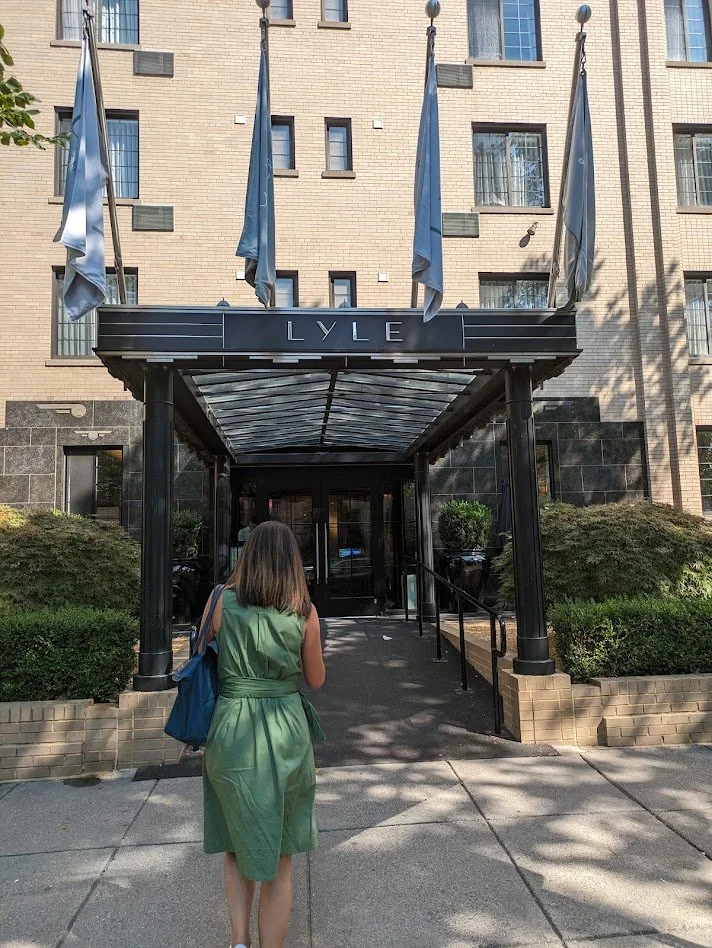
The Lyle: Where Design Speaks Softly
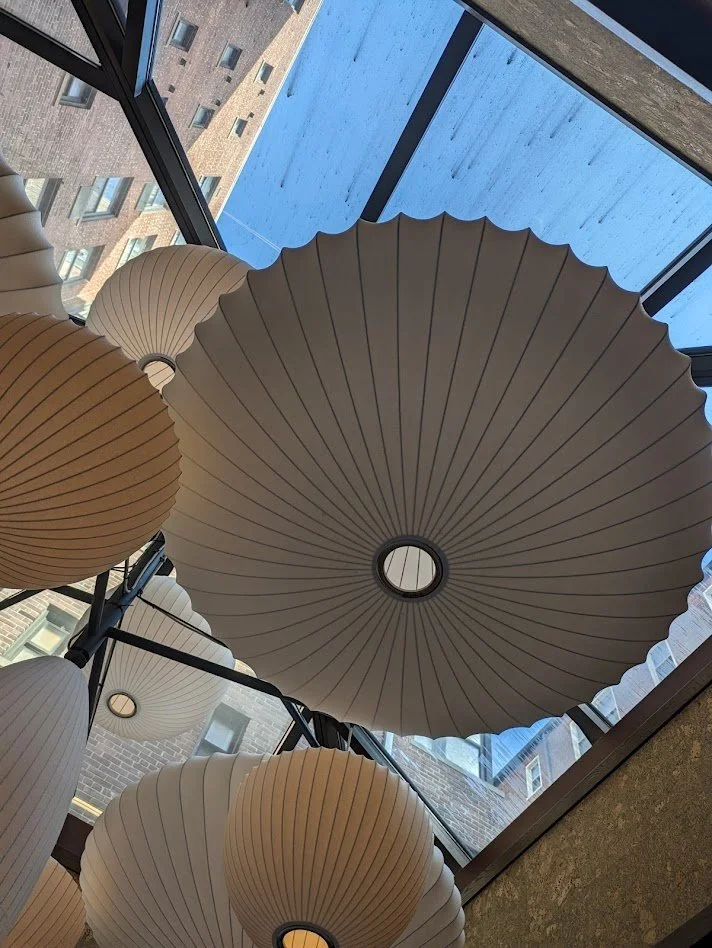
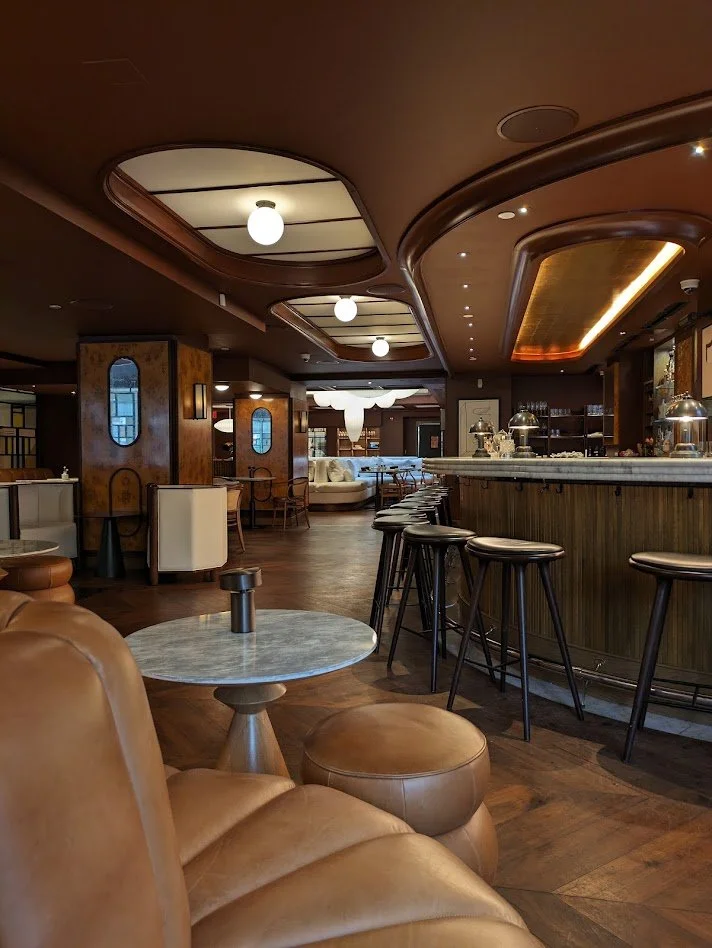
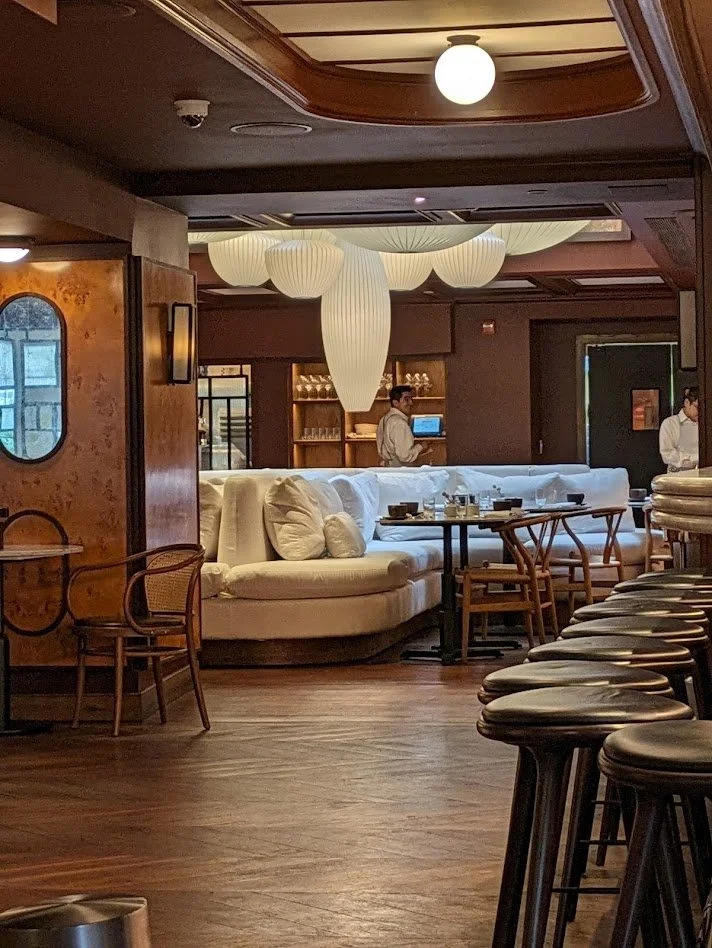
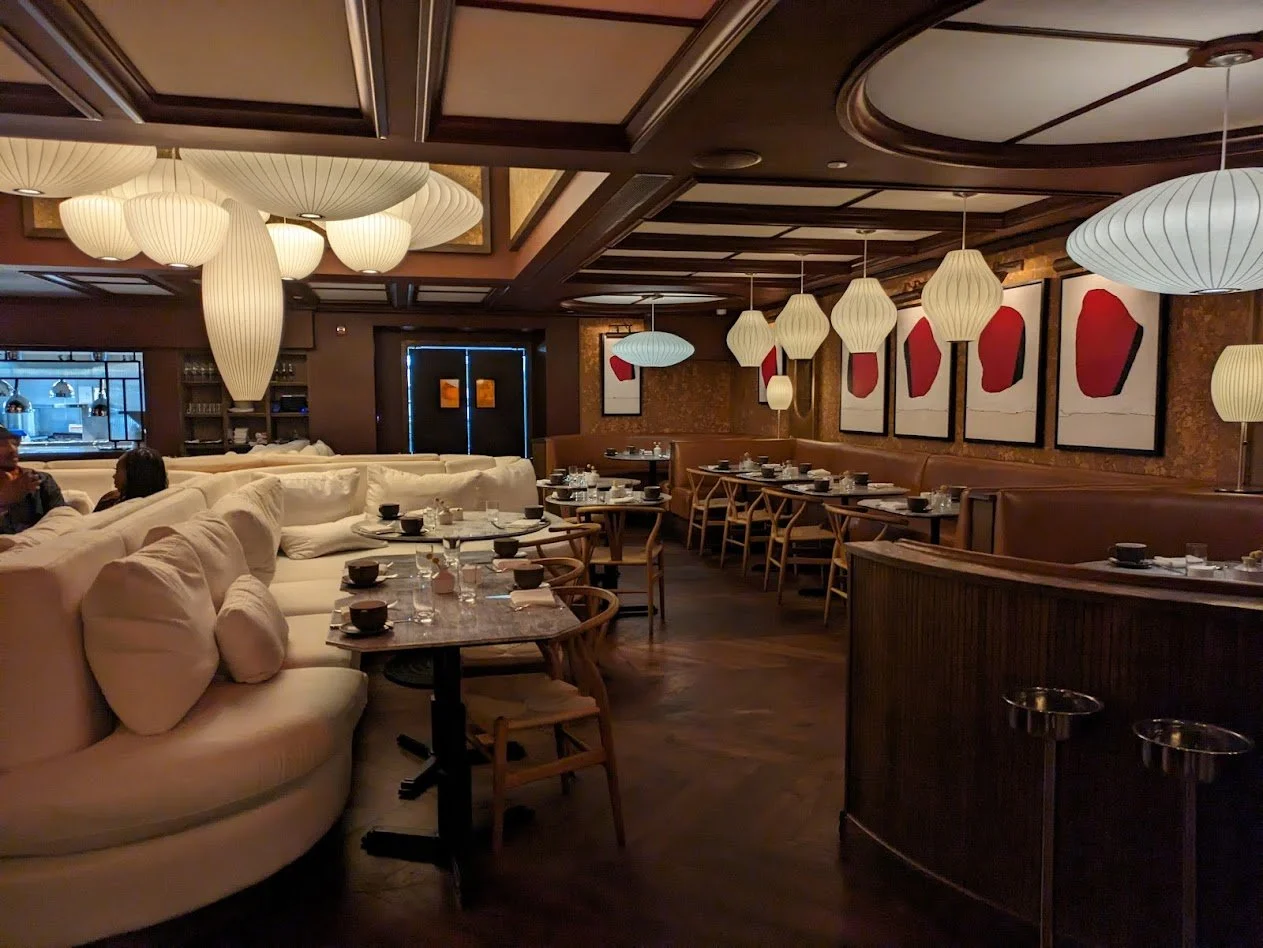
My base was The Lyle Hotel, a property that understands luxury as the absence of performance. Set within a residential neighbourhood, it occupies that rare territory where a hotel feels less like accommodation and more like temporary residence. No grand lobby theatre. No arrival ritual. Just honest materiality and intelligent proportion.
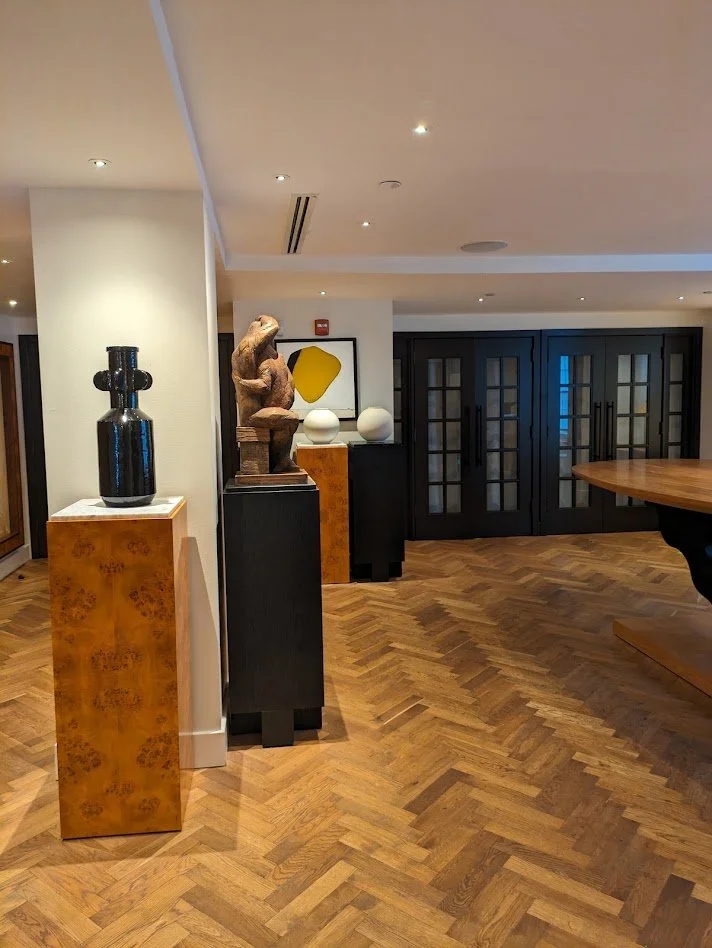
The interiors rely on warmth rather than statement. Natural light filters through uncluttered spaces. Timber, stone, and textile create layers of comfort without shouting about it. As someone who has spent years thinking about how spaces shape experience, I recognised immediately what The Lyle achieves: it gives you permission to slow down.
The rear lounge and restaurant area exemplifies this philosophy. Tucked away from the main circulation, it reads as discovered rather than presented. Deep booths offer genuine privacy. Corner tables invite extended stays. The kind of room where you settle in with coffee at ten and find yourself still there at noon, having read three articles and thought through a menu idea that has been nagging at you for weeks.
Evenings in Human Scale
Washington after dark can feel transactional, all networking and positioning. The Green Zone offers antidote. This is a room grounded in Middle Eastern hospitality, where food and conversation operate on equal terms. The cooking draws from deep traditions without becoming precious about it. Mezze arrives as invitation rather than performance. Wine flows. Conversations meander.
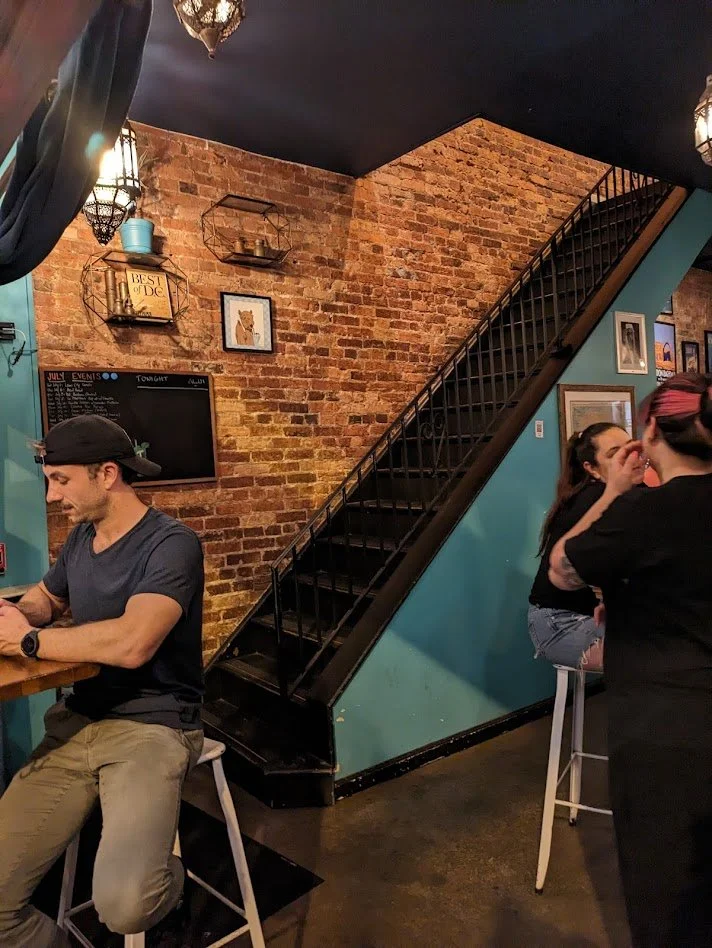
I have travelled enough to know that capital cities need these spaces. Places where the default mode of power gives way to something more fundamental. Where strangers become familiar over shared plates. Where laughter matters more than influence.
Morning Discipline at Yellow
Georgetown mornings begin at Yellow. As a chef, I am particular about breakfast spots. Too many mistake novelty for quality or attempt to reinvent what works. Yellow does neither. The menu holds to essentials: proper bread, carefully sourced coffee, eggs cooked with attention. Natural light fills the room. Regulars occupy their usual tables.
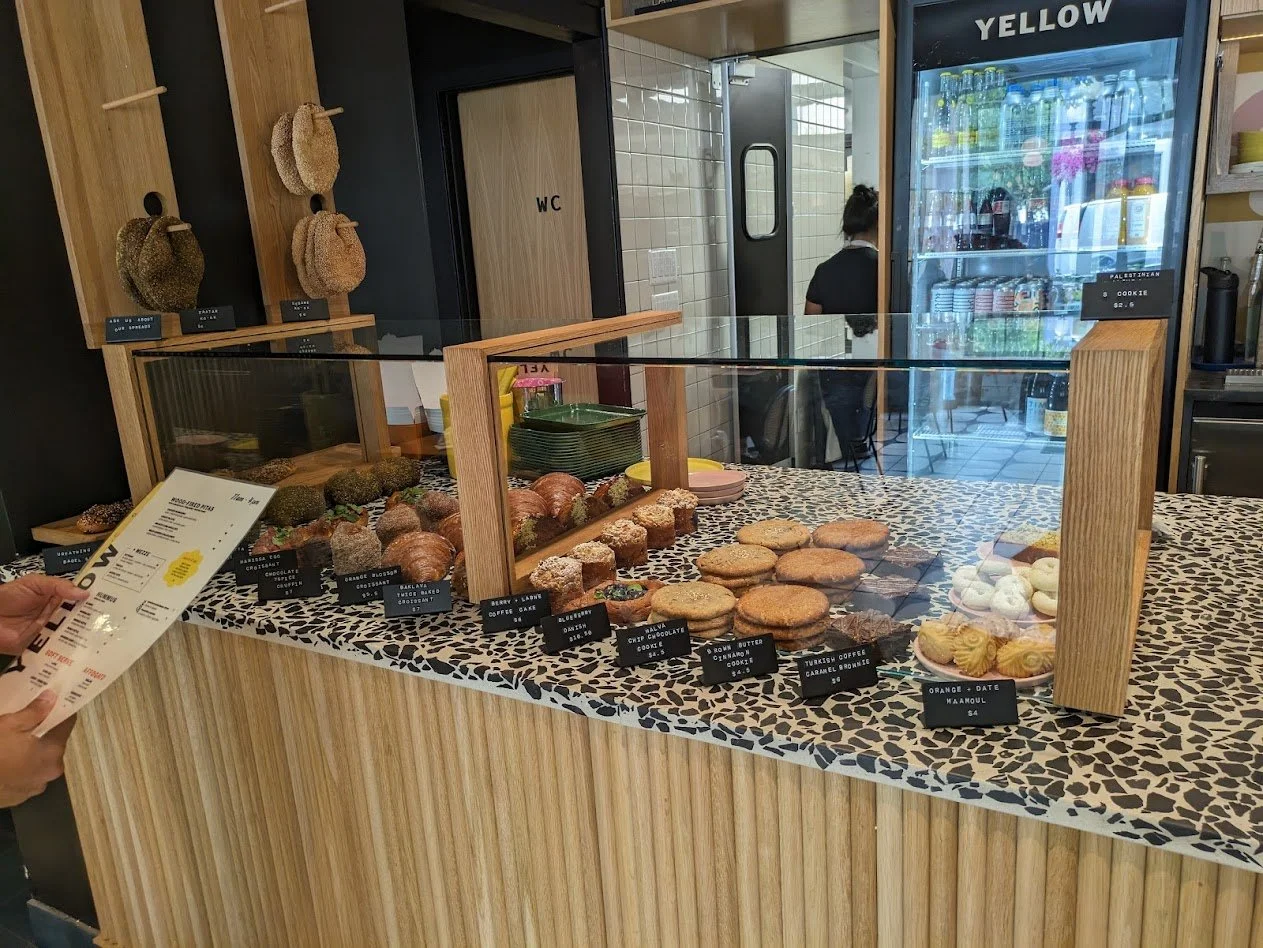
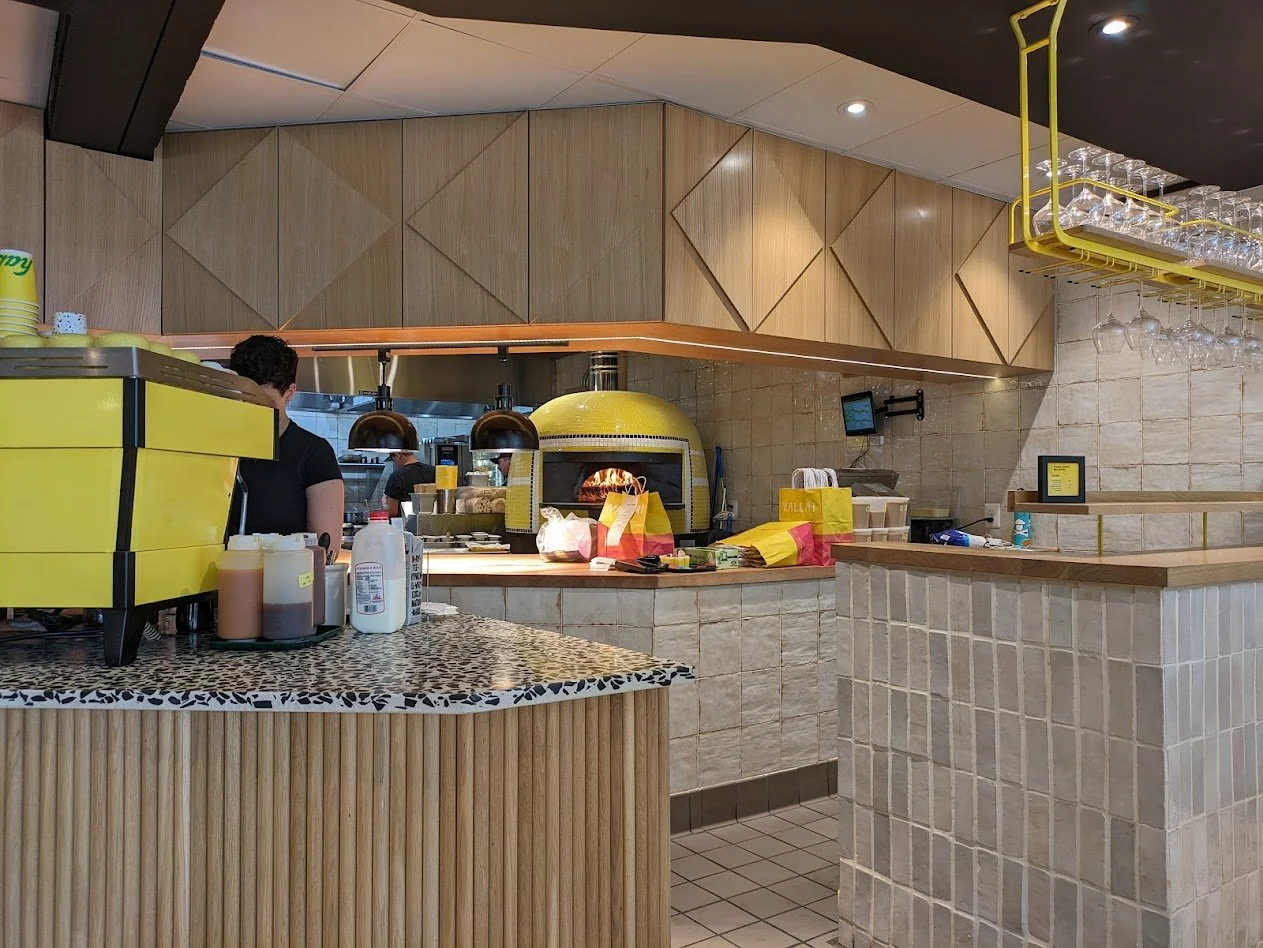
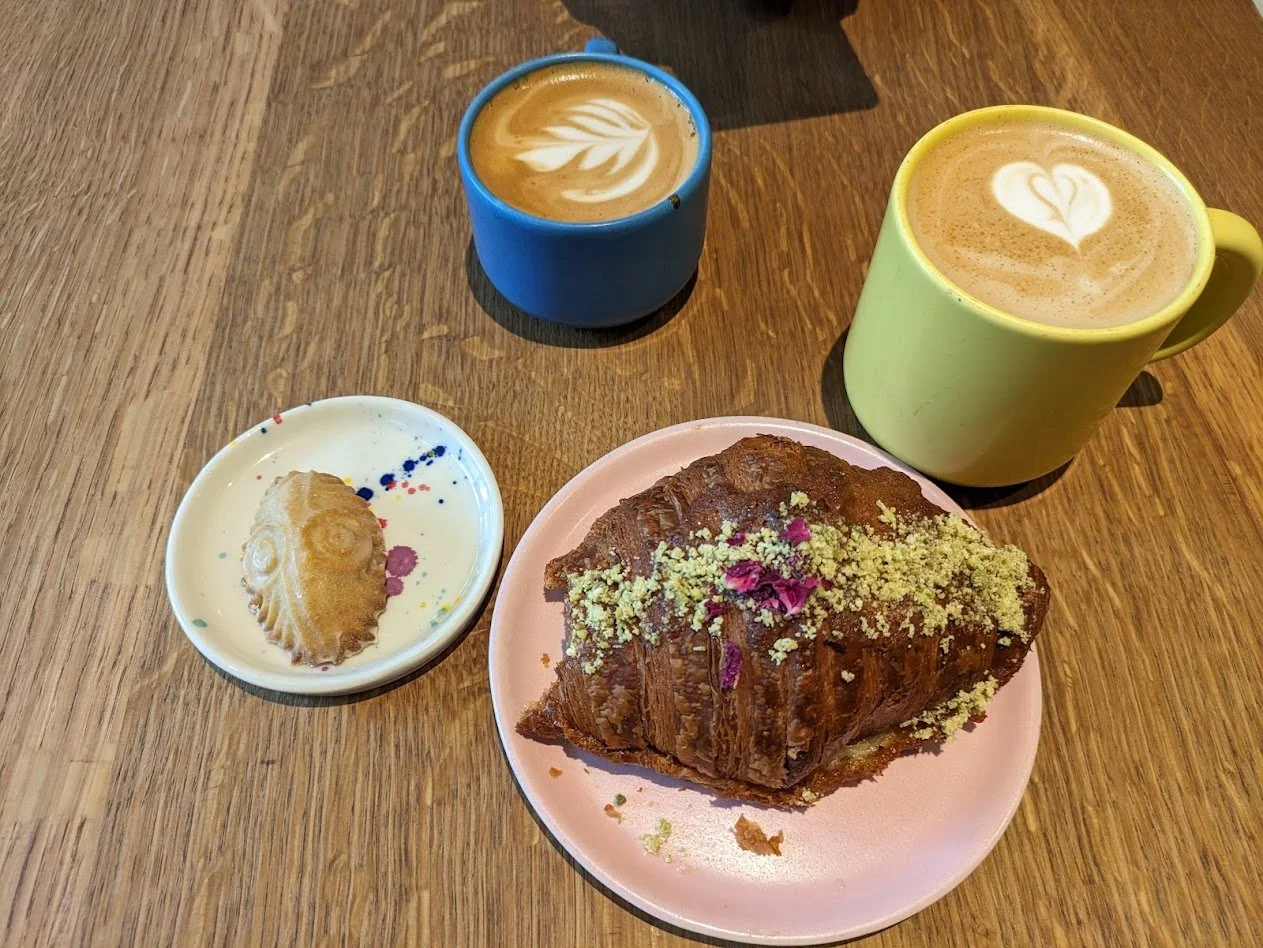
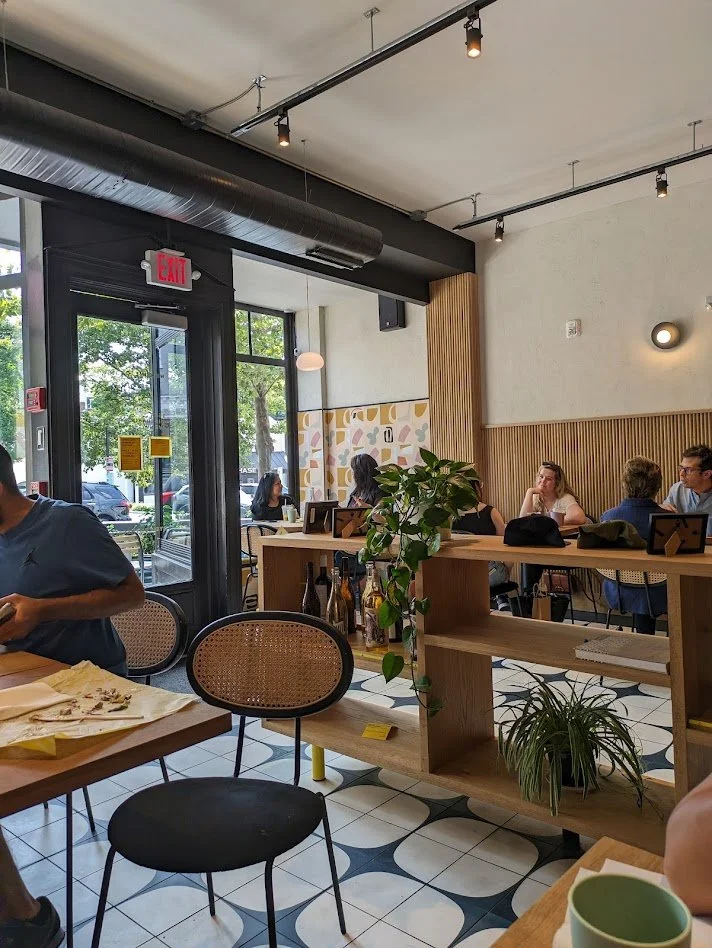
This is cooking that understands restraint. Nothing unnecessary. Nothing added for effect. You taste intention in every element. The kind of meal that grounds you for the day ahead, that reminds you why simplicity, executed well, remains the most difficult achievement in food.
I returned four mornings in succession. Each visit confirmed what the first suggested: Yellow rewards loyalty rather than chasing novelty.
Georgetown's Living History
The neighbourhood itself encourages slower movement. Brick sidewalks carry the patina of centuries. Federal rowhouses maintain their proportions without ostentation. History here is not museumified. It continues as lived experience, evident in scale and detail and the way buildings relate to streets.
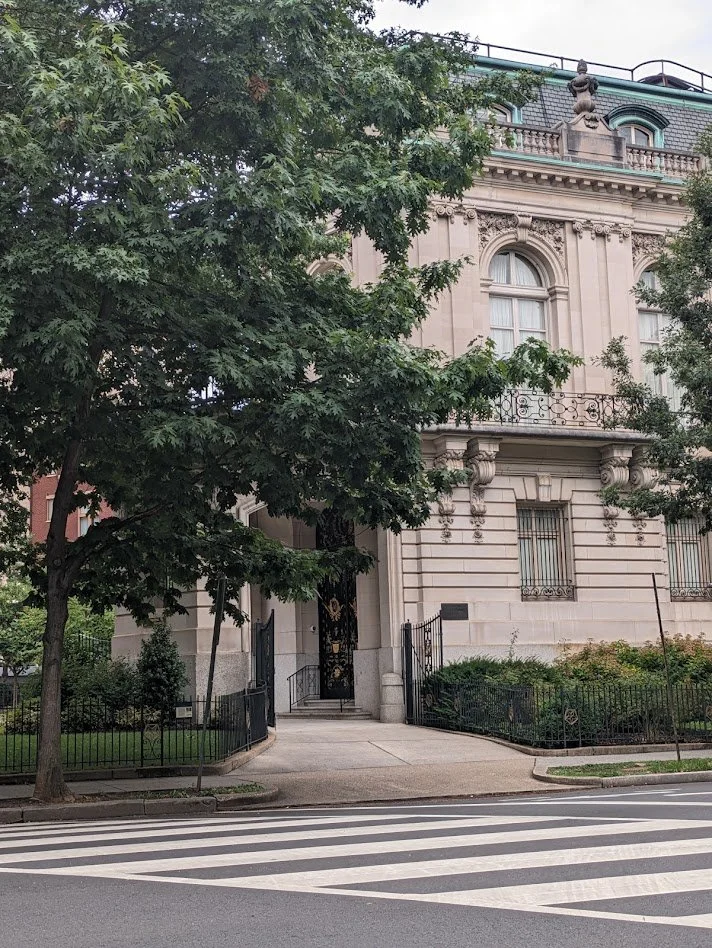
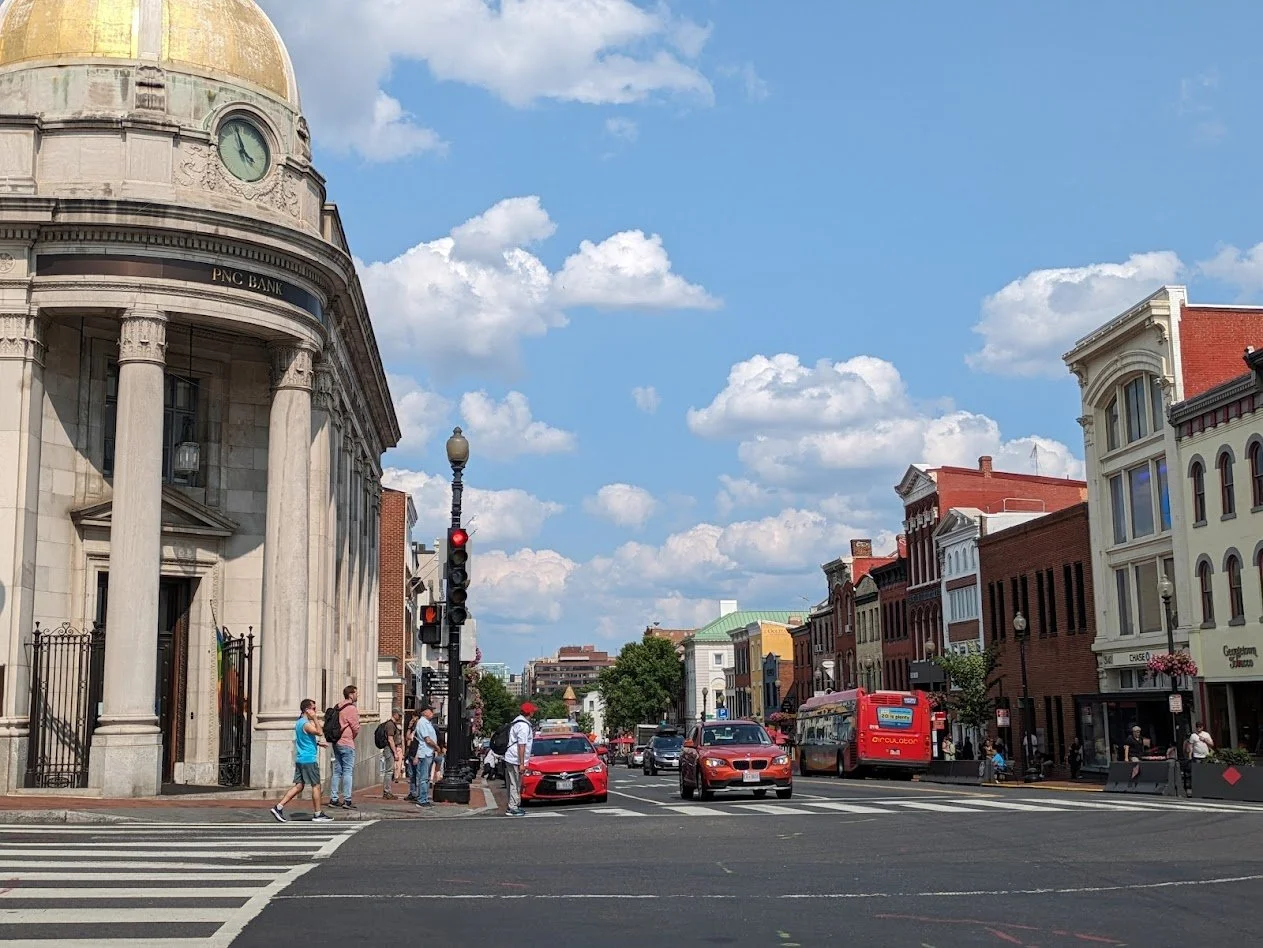
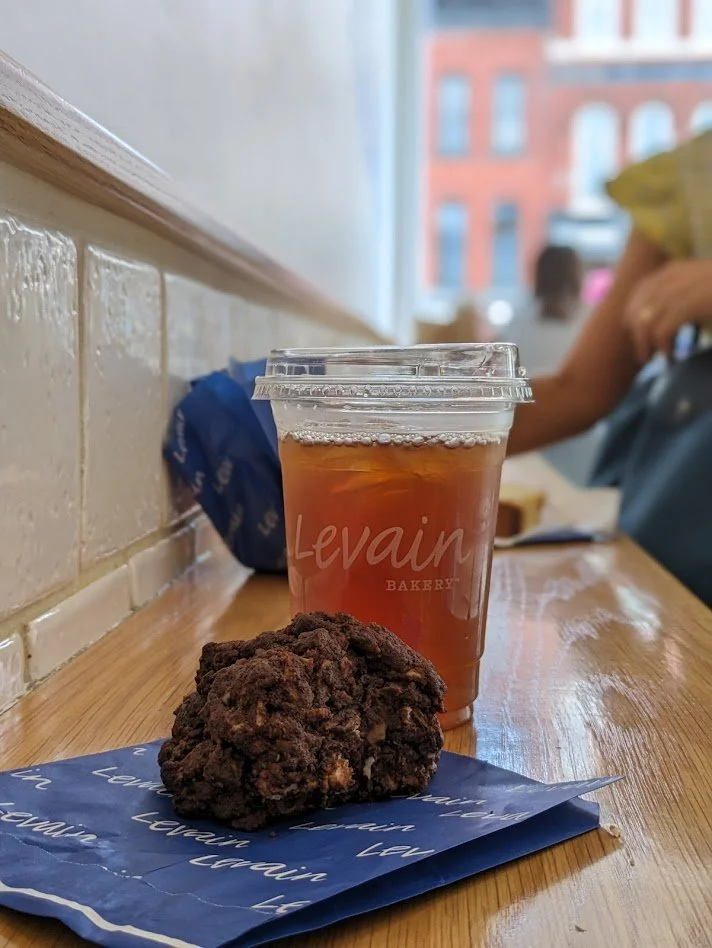
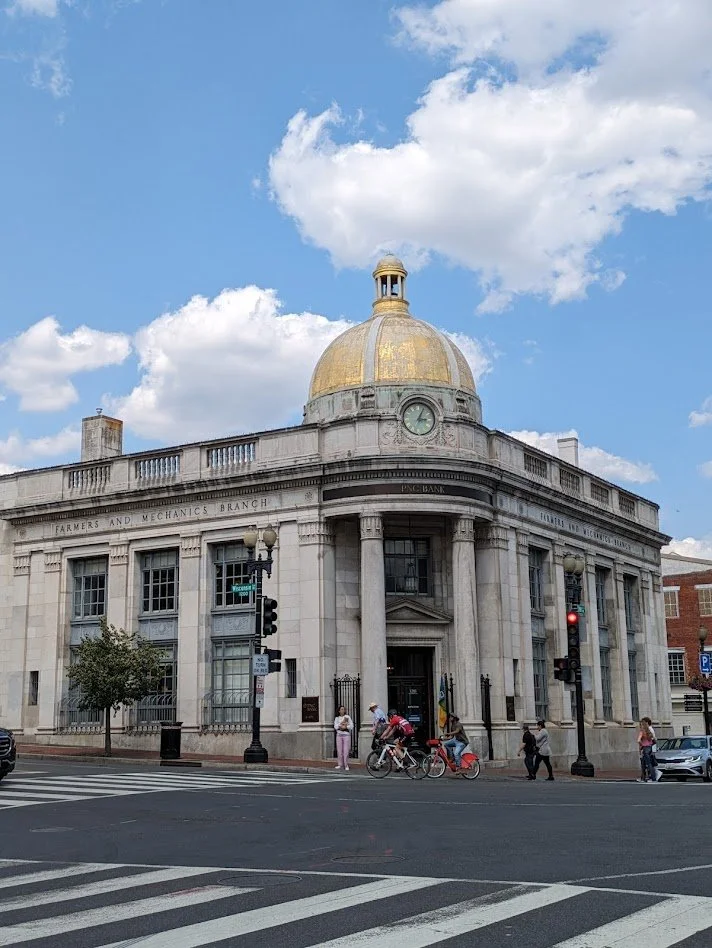
Mid-afternoon, I found myself inside Georgetown Tobacco. Stepping through the door feels like crossing a threshold in time. Wood panelling, leather club chairs, glass cases displaying aged leaf. The air carries specific scent memory. Conversation moves without hurry. This is not nostalgia dressed up as commerce. This is preservation as active practice, a reminder that some traditions endure precisely because they resist the pressure to modernise.
The City by Bicycle
I have learned that the best way to understand a city's true character is by bicycle. Washington by bike reveals proportions and relationships invisible from car or metro. You roll past the Capitol without stopping, the dome rising in peripheral vision rather than demanding frontal attention. Streets open into green corridors. Security perimeters give way to parkland. The symbols of power become backdrop rather than destination.
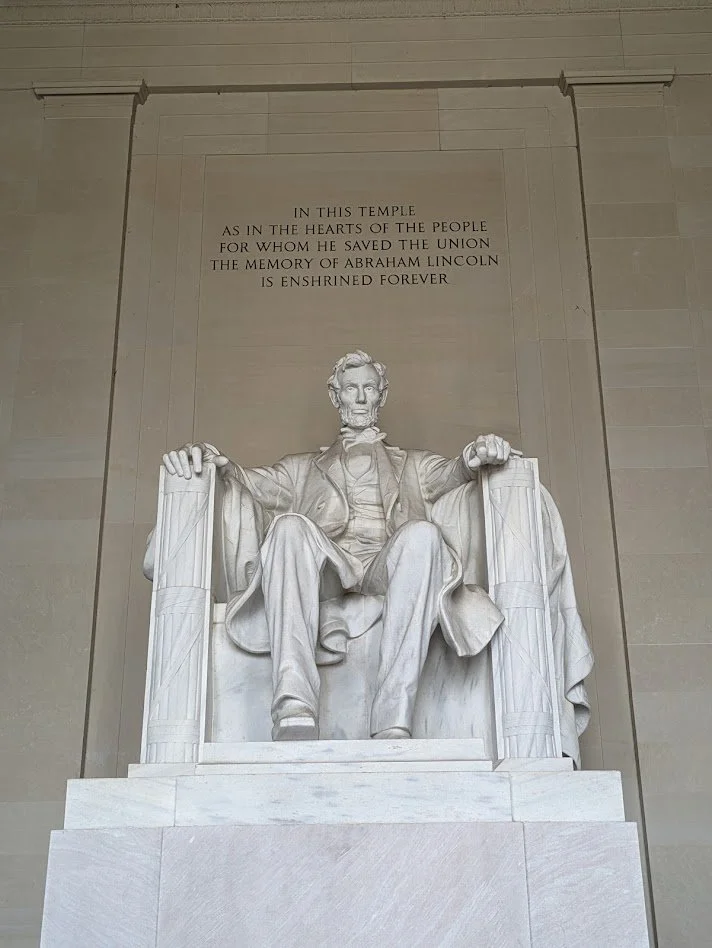
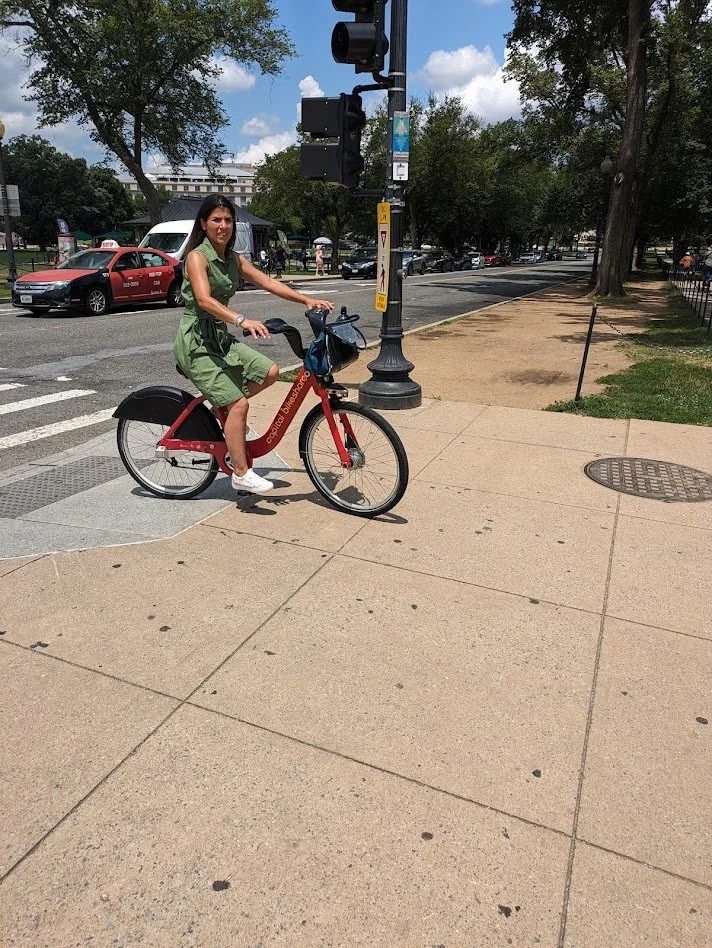
The approach to the Lincoln Memorial by bicycle strips away all ceremony. No crowd choreography. No prescribed viewing angle. You arrive quietly, dismount, sit on the steps. The memorial holds its weight but meets you gently. The reflecting pool stretches toward the Washington Monument. The city recedes.
History, experienced this way, does not perform. It simply exists.
Departure Without Conclusion
The final morning calls for Tatte Bakery & Cafe. I arrive early, before the rush, when the pastry case still looks pristine and the baristas move with unhurried precision. The space carries that particular energy of a place that knows its worth. Laminated croissants shatter properly. The shakshuka arrives in a cast iron skillet, eggs barely set, the tomato base rich with spice memory. Coffee is taken seriously here, pulled with care.
As a chef, I recognize the intelligence behind Tatte's approach. This is not fusion for its own sake. This is Mediterranean and Middle Eastern baking traditions filtered through French technique, executed with discipline. The kind of cooking that respects lineage while speaking to the present moment.
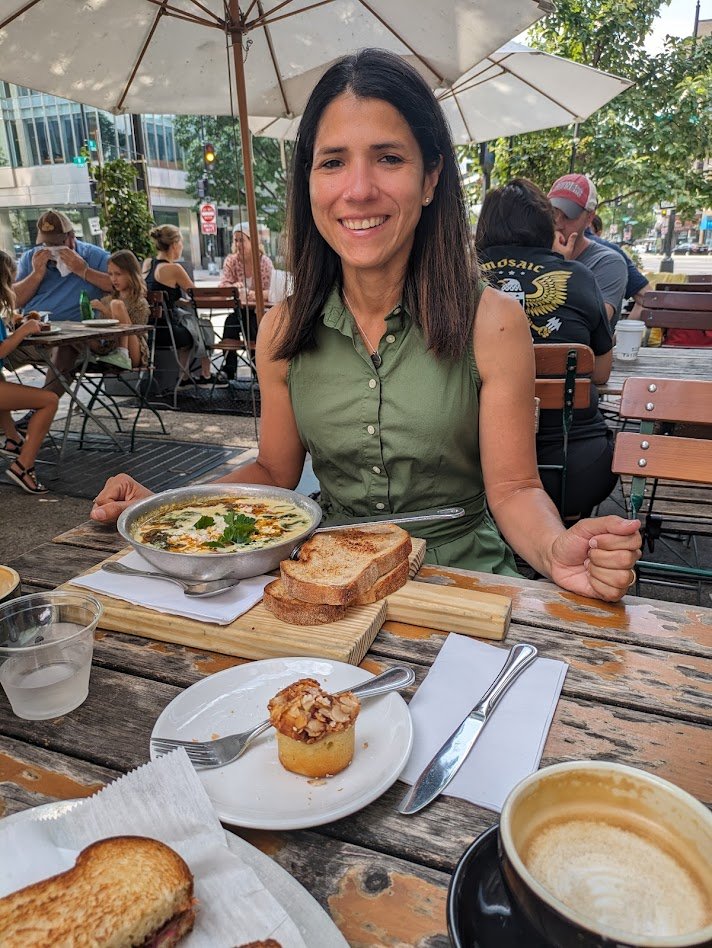
my wife & me enjoying our meal before heading home
I linger over a second coffee, watching the neighbourhood come to life. No last monument. No final museum sprint. Just this meal, this moment, and the particular satisfaction of having discovered a city on terms other than its own.
Washington does not feel conquered or completed. It feels glimpsed honestly, if only briefly. The Lyle provided calm foundation. The hidden lounge rewarded stillness. Yellow anchored the mornings. Georgetown offered continuity. The bicycle allowed movement through symbols without being consumed by symbolism. And Tatte gave the journey a proper ending, one that tasted of both arrival and departure.
The city revealed itself not through highlights but through accumulated rhythm. Through meals that grounded rather than impressed. Through spaces that invited rather than demanded. Through movement that allowed observation rather than requiring participation.
Some cities insist on being seen. Washington, approached correctly, allows itself to be felt.
That distinction makes all the difference.