The places worth knowing, the people who lead us to them, and why I started this journal.
There is one question I get asked more than any other.
How did you find this place?
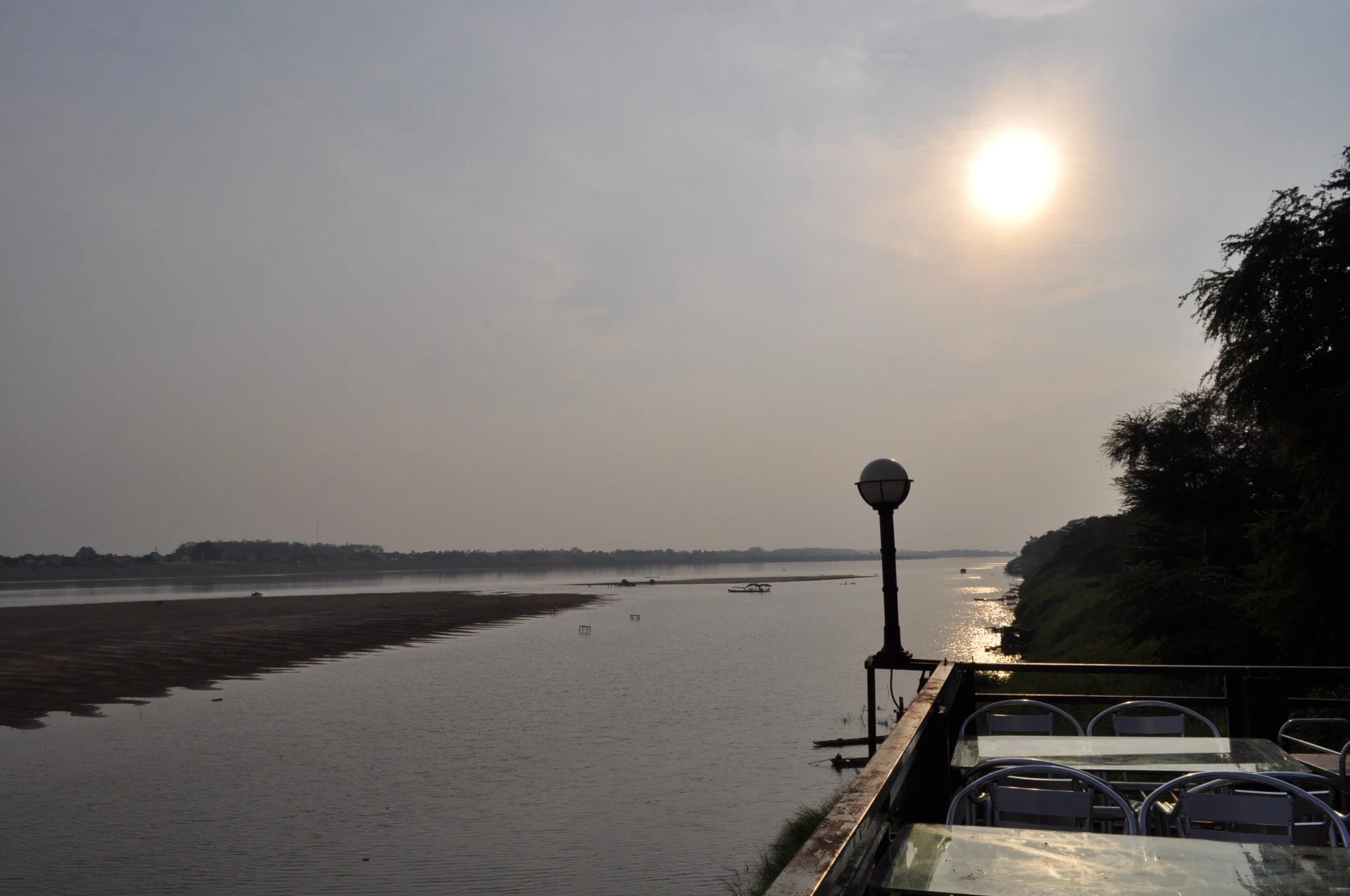
Sometimes it's over dinner, sitting in a small restaurant that someone never knew existed. Other times it's a message after I share a photograph of an interesting hotel, a little neighborhood bar, or a restaurant tucked away on a side street.
I enjoy that question because the answer is usually quite simple.
Someone told me about it.
A chef, a bartender, a local who has been going to the same place for years, or someone I met along the way.
I've learned that some of the best places are discovered through conversations, not travel guides or social media.
And that's really where the idea for Hideaway Traveler began.
After years of traveling, cooking, and collecting experiences, I wanted somewhere to share the places I love and the stories behind them.
This journal is that place.
Where It Started
I grew up around food in Miami, spending time in my grandparents' kitchen.
Cuban cooking was part of our everyday life. Nothing went to waste, meals took time, and food was always a reason to bring people together.
Those early experiences stayed with me.
I eventually made cooking my career, spending nearly three decades working in professional kitchens.
My journey took me from Miami to Philadelphia and Atlantic City, and eventually across the world to Sri Lanka, Malaysia, and Brunei.
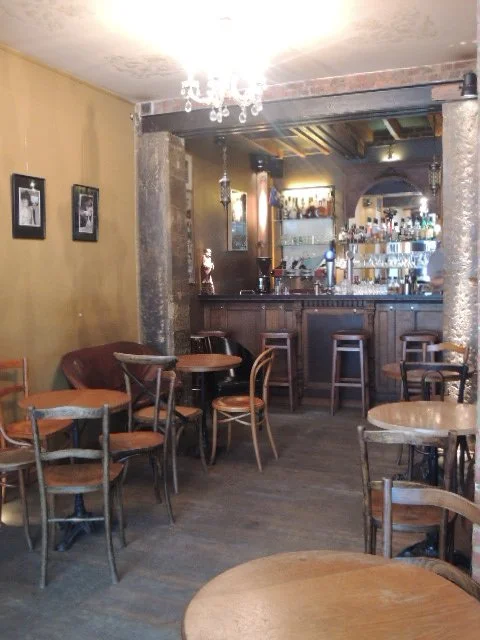
While living in Sri Lanka, I helped establish the country's first Slow Food convivium in Colombo. It was an experience that brought together many of the things I believed in: local ingredients, farmers, traditional food, and the importance of understanding where our meals come from.
Later, my career brought me back to the United States, with stops in Texas, Virginia, and the Gulf Coast. Today, I work as an executive chef in Fairhope, Alabama.
Along the way, I developed a different way of looking at restaurants, hotels, and the places I visit.
Working in kitchens teaches you to pay attention.
I notice how a restaurant operates, how the staff interact with guests, and whether the menu makes sense. I appreciate a kitchen that knows what it does well.
Hotels are no different.
I notice the lighting, the materials, the service, and the little details that make a place comfortable. I appreciate good design, but I've always believed that hospitality is about how a place makes you feel.
You can spend a fortune creating a beautiful room, but if the people working there don't care about the experience, something is missing.
That's the perspective I bring to Hideaway Traveler.
What a Hideaway Is
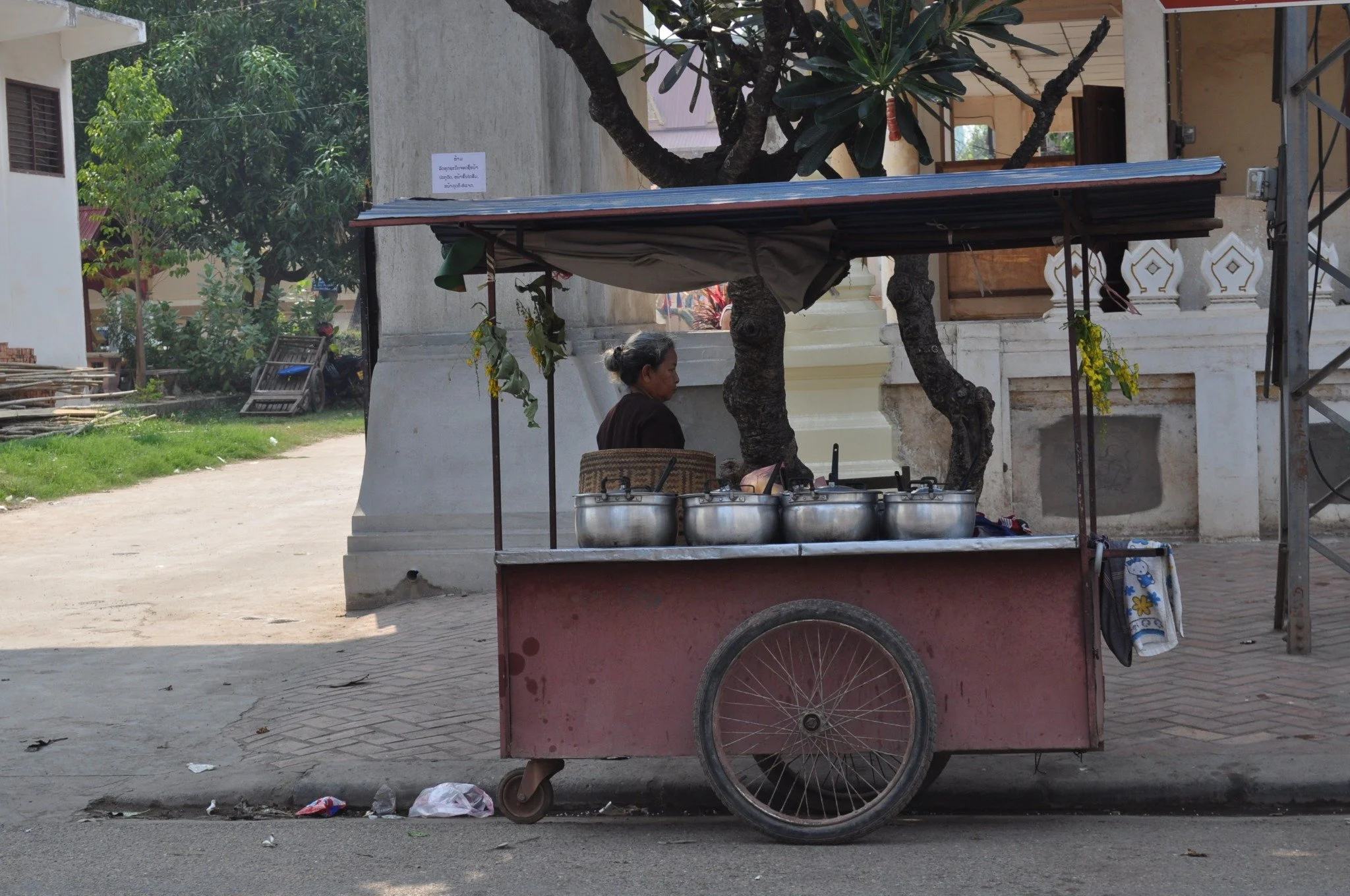
A Hideaway is something worth knowing about.
It doesn't have to be expensive or exclusive. It doesn't even have to be hidden.
It could be a small noodle shop in Asia, a family restaurant in Italy, a beautiful boutique hotel, or a neighborhood bar where everyone seems to know each other.
What matters is that the place has character.
Someone has put thought into what they're creating. The food, the atmosphere, the people, and the experience all come together in a way that makes you want to return.
I've been lucky enough to experience places like this throughout my travels.
Here are a few that have stayed with me.
Casa Mono, New York
I first visited Casa Mono in 2006. I've returned almost every time I've been to New York since.
This year, I brought my daughter.
For me, that says a lot about a restaurant. Twenty years later, I still want to sit at that counter.
Good restaurants give you a reason to return. Great ones become part of your travels.
Melfi's, Charleston
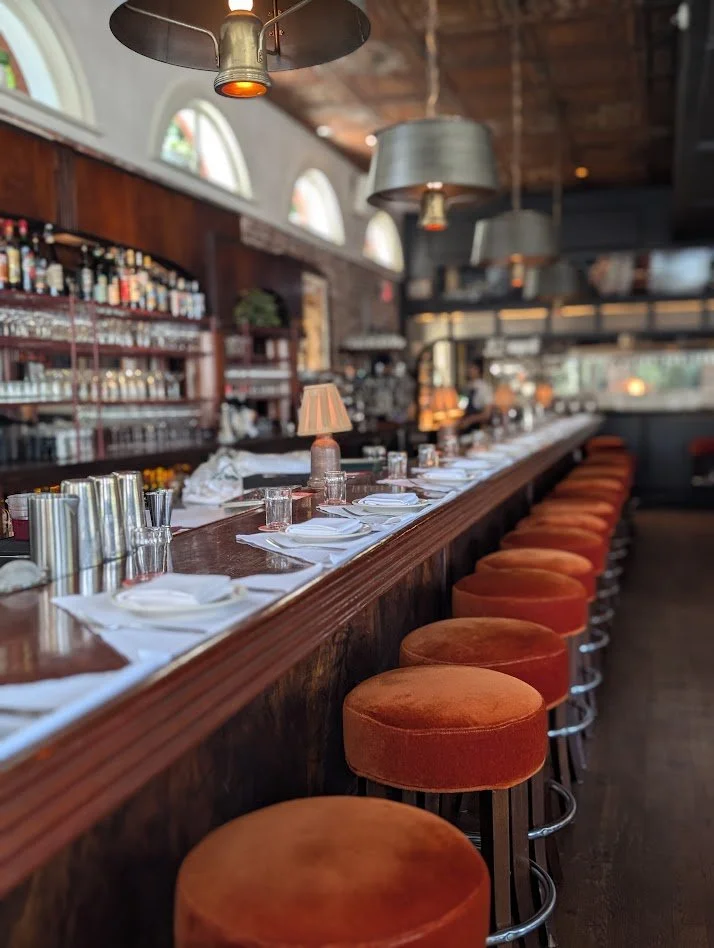
Sometimes an entire dining experience stays with you because of one simple thing.
At Melfi's, it was the vanilla gelato.
As a chef, I appreciate the discipline required to make something simple exceptionally well. You can't hide behind a long list of ingredients.
Sometimes a scoop of gelato tells you everything you need to know about a kitchen.
Edmund's Original, Charleston
I traveled to Charleston to cook at an event, but what I remember most are the people.
Scott and Suzy made an impression on me.
I've worked in hospitality long enough to recognize when people genuinely care about what they're doing.
The welcome, the conversations, and the way they looked after everyone made the experience special.
It reminded me that sometimes the people are what make a place worth returning to.
Soho House Nashville
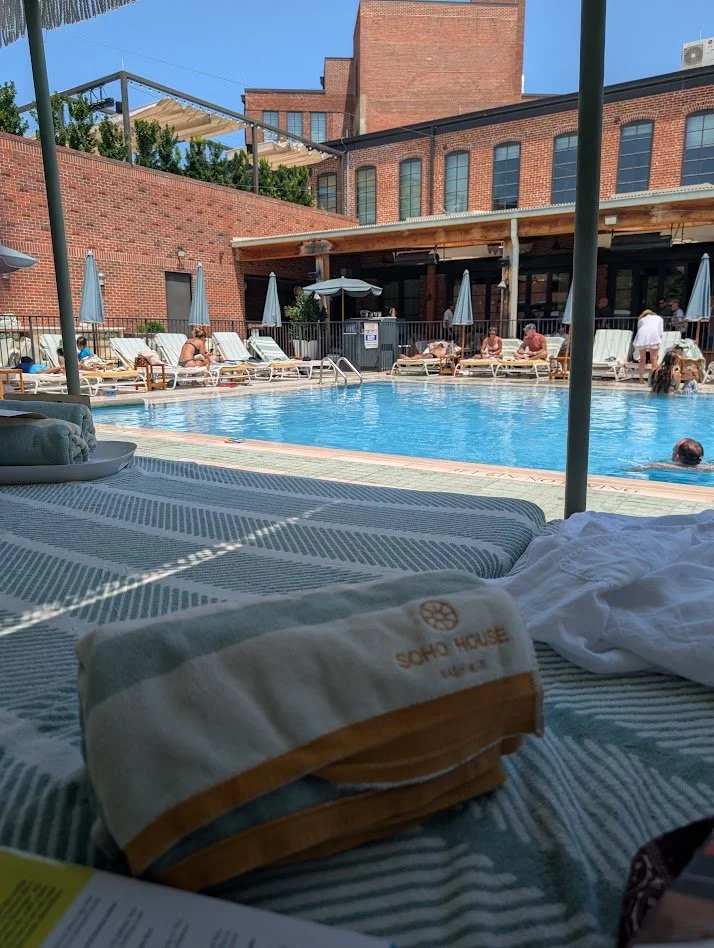
I enjoy places where design and hospitality work together.
Soho House Nashville is a good example. The building has character, the spaces are thoughtfully designed, and there is an understanding of how people want to spend their time.
There is something to enjoy beyond simply having a nice room.
I appreciate luxury when it's done well, but it isn't what makes a place a Hideaway.
It's the thought behind the experience.
What a Hideaway Is Not
This journal isn't about ranking places.
I'm not interested in creating another list of the ten best restaurants or the most expensive hotels in a city.
There are already plenty of those.
I also don't believe a recommendation should be something a restaurant or hotel can buy.
If I recommend somewhere, it's because I believe it's worth visiting. Any hosted experiences, commercial partnerships, or booking commissions will be disclosed.
And a Hideaway doesn't have to be a secret.
Good restaurants and hotels need people to support them. I want to share the places that deserve that support.
Most importantly, this journal is built around firsthand experiences.
The places I write about as Hideaways are places I've visited, eaten at, or experienced for myself.
I want you to know that when I recommend somewhere, there's a real experience behind it.
Two Voices, One Shared Curiosity
Hideaway Traveler is also becoming something I get to share with my daughter.
She's building her career as a travel advisor, and we're finding more opportunities to plan trips and discover places together.
We don't always look at things the same way, and I think that's a good thing.
I've spent much of my life approaching travel through food, culture, and hospitality. She's developing her own interests and perspective.
Sometimes she handles the planning and I just show up hungry.
You'll hear from both of us as the journal grows.
Different perspectives, but the same curiosity about the world and the places worth discovering.
How to Read This Journal
I've organized the journal around three kinds of stories.
The Hideaways
Individual places I believe are worth knowing about. A restaurant, hotel, bar, or somewhere unexpected. Each one comes from a personal experience, and I'll explain what makes it special.
Field Guides
Practical advice from the road. Where to stay, where to eat, what to order, and how to get more out of a destination.
The sort of advice I would give a friend before they leave on a trip.
Leo's Note
Personal observations from my years in kitchens and traveling around the world.
Food, design, hospitality, culture, and the things I've learned from the people and places along the way.
And if you'd rather have someone help you put together a journey built around those experiences, that's where the Hideaway Itinerary comes in.
We help plan trips around interesting places to stay, memorable meals, and the local culture that makes each destination different.
You'll find more about that on our Itinerary page.
Leo's Note
I don't believe you need a bigger budget to travel better.
Sometimes you just need a better recommendation, a little curiosity, and a willingness to explore beyond the obvious.
The world is full of interesting places and people doing wonderful things.
I've spent much of my life looking for them.
Now I have somewhere to share what I find.
Good food. Good people. Farther places.
editorial manifesto