The Archive We Carry
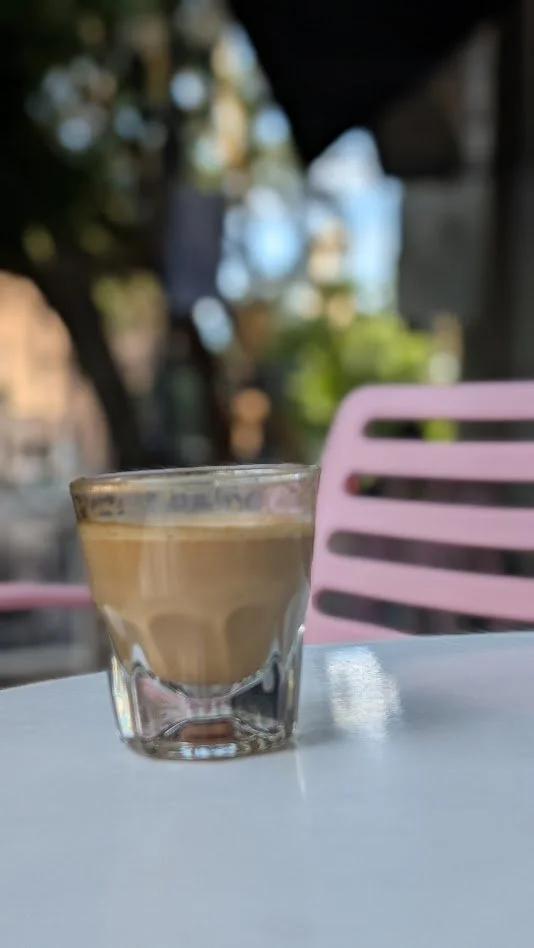
The coffee arrived in a glass, not a cup. Outside, the street was still waking a shopkeeper rolling up a metal gate, the particular echo of morning footsteps on limestone. I had no plans for the day. Just this: a notebook open on a marble table, the weight of a fountain pen, and the slow ritual of writing down nothing important. The date. The weather. The name of the hotel, which I would forget if I didn't write it now.
I've been traveling this way for years not photographing everything, not posting as I go, but keeping a quieter record. The habit started in Singapore, during a layover that stretched longer than expected. I wandered into a bookshop and bought Robin Sharma's The Leader Who Had No Title, mostly because I needed something to do with my hands. I started reading it at a café near the gate, and something shifted. Not because of any single passage, but because the act of slowing down of reading, of thinking, of being alone in a foreign terminal with nowhere urgent to be felt like permission. Permission to pay attention differently. I bought a notebook that same afternoon.
Now it's become something else entirely. A practice. A way of paying attention.
There's a box in my closet at home that holds the artifacts of twenty years of movement. Hotel matchbooks from places that no longer exist. A ferry ticket from the Greek islands, handwritten in a script I can't read. The menu from a dinner in Lisbon where I ate alone at a counter and the chef sent out an extra course because I seemed interested. A photograph of a waterfall in the Gran Sabana Venezuela that I never shared with anyone.
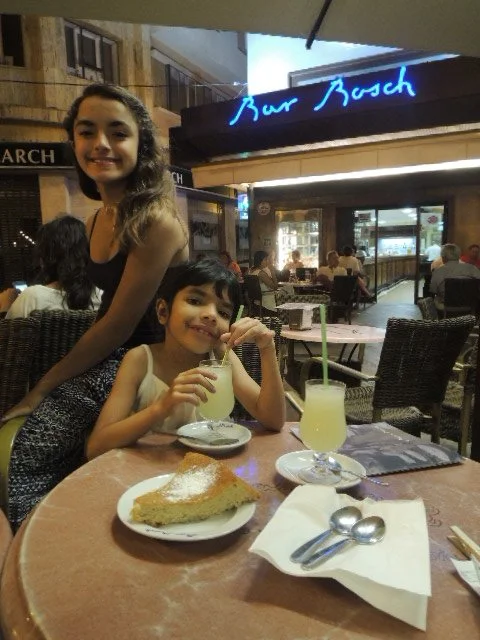
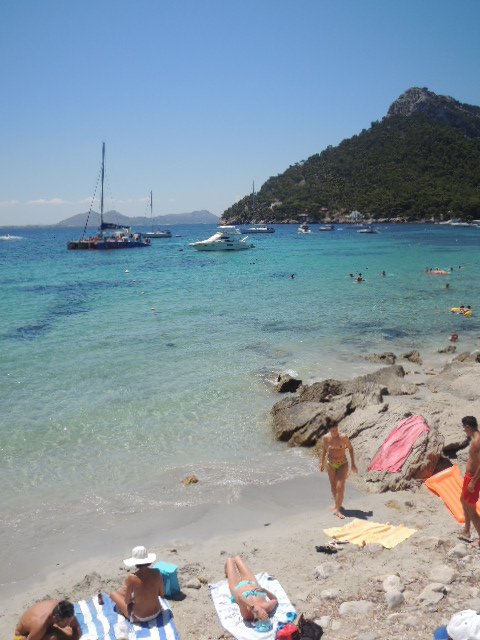
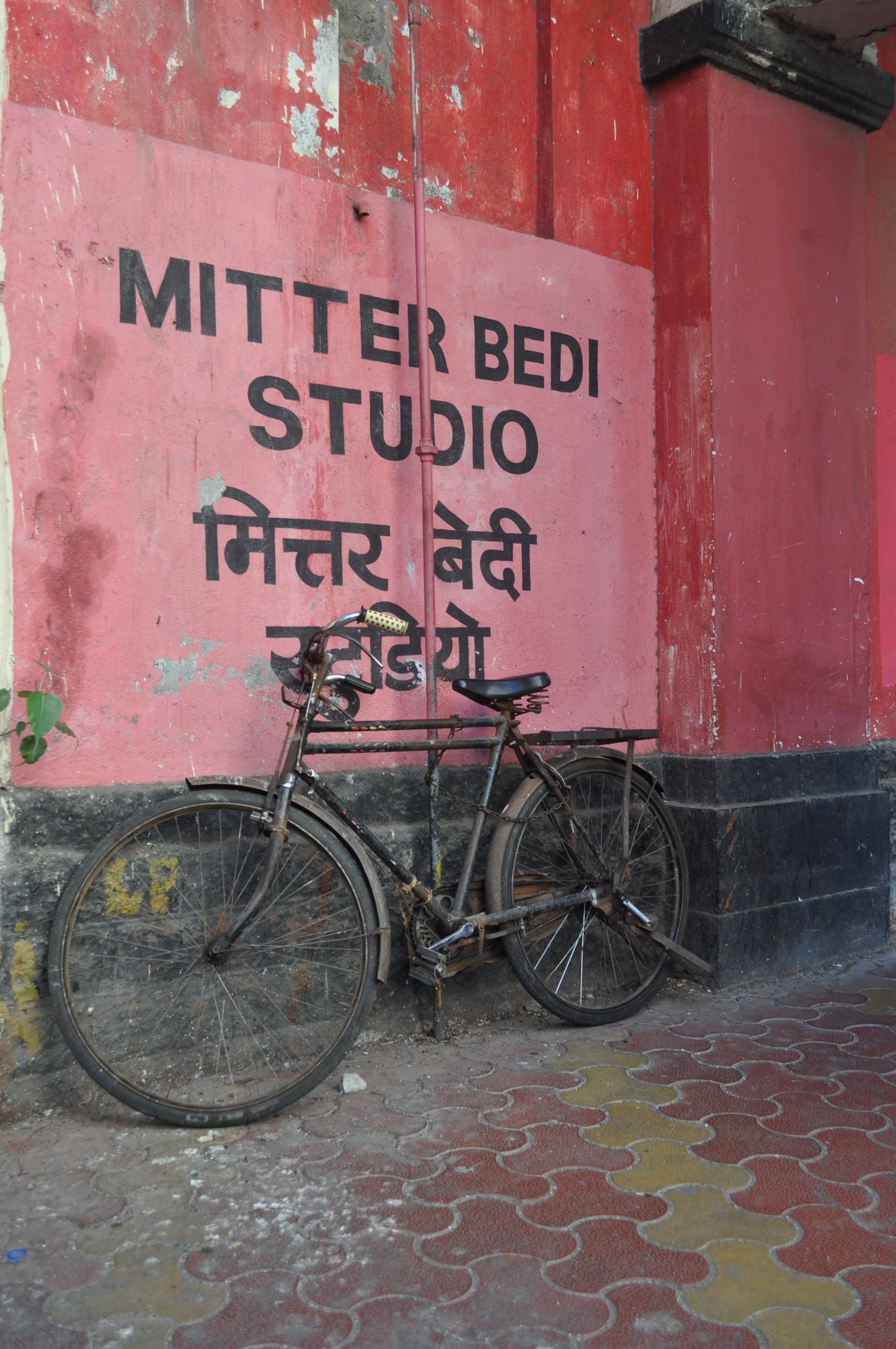
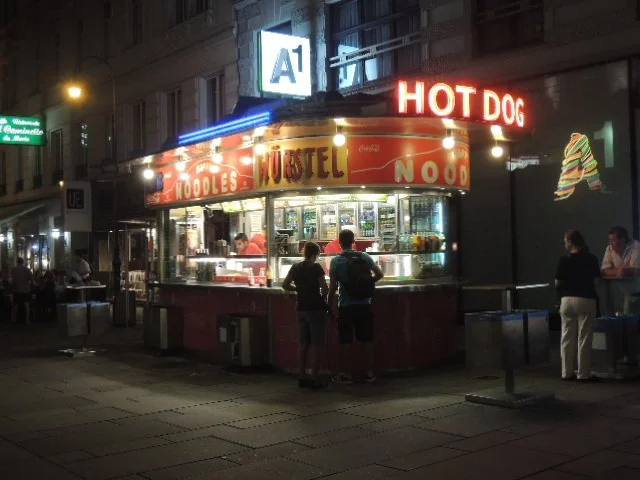
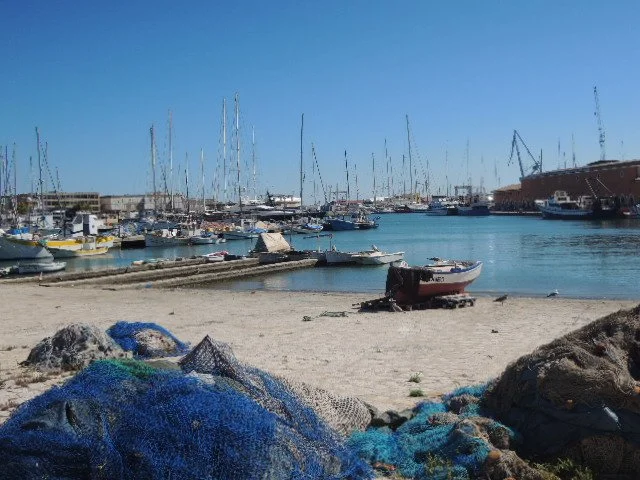
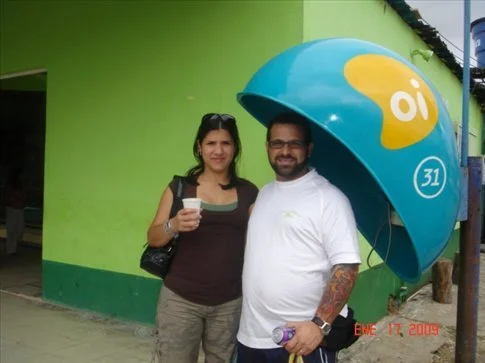
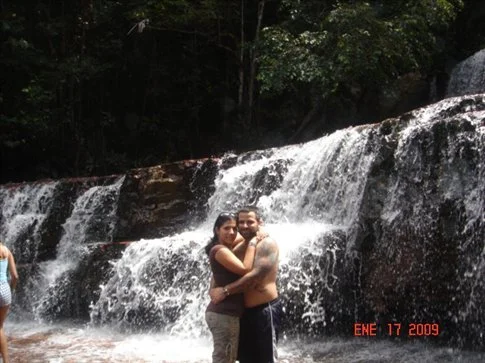
These objects have no value to anyone but me. They wouldn't make sense on a feed. They don't tell a story that translates. But together, they form something a kind of personal cartography, a map of the self as it moved through space and time.
I think about how rarely we keep things anymore. How the instinct now is to capture and broadcast, to document for an audience rather than for memory. The meal becomes a photograph before it becomes a taste. The view becomes a frame before it becomes a feeling. And what gets lost is the private encounter, the moment that belongs only to you.
My approach to travel has become, over time, almost stubborn in its slowness. I return to the same places. I eat at the same restaurants, sometimes the same table. I build relationships with hotel concierges who remember my preferences, with bartenders who know I'll want a Rhum after dinner, with the woman who sells flowers at the market on Sunday mornings.
This isn't efficiency. It's the opposite. It's an insistence that depth matters more than breadth, that knowing a place well is more valuable than having touched many places lightly. I'm less interested in the newest opening than in the restaurant that's been doing the same thing beautifully for thirty years. Less drawn to the hotel with the most striking design than to the one where the light falls correctly in the morning and the staff knows your name by the second day.
There's a phrase I keep returning to: human scaled. I want travel that moves at the pace of a person, not a brand. I want accommodations that feel like someone's home, even when they're not. I want meals that emerge from a kitchen where somebody cares, where the cook is thinking about the season, the region, the guest.
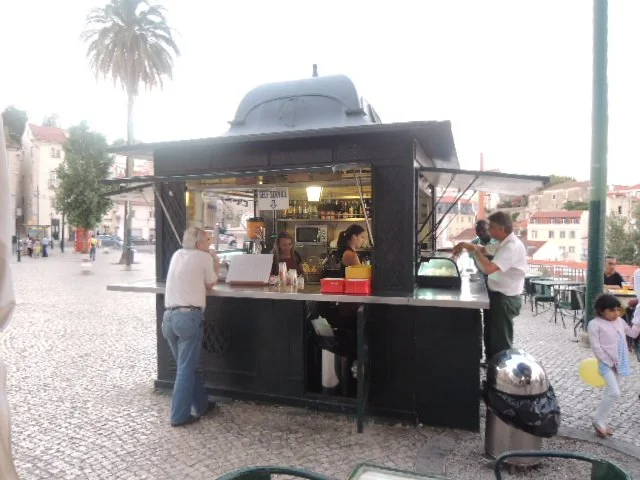
This is not a rejection of design or beauty. I notice those things acutely the weight of a door handle, the typeface on a menu, the way a hotel corridor is lit. But beauty should serve something. It should make the experience more present, more lived-in. It shouldn't be the point.
Hideaway Traveler grew from this sensibility. It's not a company in the usual sense. It's more like a lens a way of looking at the world and curating within it. The places I write about, the itineraries I build, the experiences I recommend they're all filtered through the same question: Would I return here? Would I want to linger?
I'm not interested in comprehensiveness. There are thousands of travel resources that can tell you the best of everything. What I'm trying to offer is something more personal: a point of view shaped by years of eating, staying, walking, and watching. A trust that when I recommend something, it's because I've sat with it, not just passed through.
The name itself suggests what I'm after. A hideaway isn't the obvious destination. It's the place you discover, the place you don't immediately share, the place that becomes yours for a moment. Travel, at its best, should feel like finding something—not checking something off.
I've been thinking lately about what we owe to our future selves. The version of me at seventy will not remember the trips I documented publicly. He'll remember the ones that marked him privately the dinner where the conversation turned, the morning walk that changed how he thought about solitude, the hotel balcony where he sat with a book and watched the light change.
These moments don't announce themselves. They happen quietly, often alone, usually unplanned. The task is to notice them when they arrive. To write them down, or keep a matchbook, or simply to stay present long enough that the memory takes root.
Travel rewards attention. It asks us to look closely, to slow down, to resist the impulse to move on to the next thing. The places that stay with us are the ones where we gave ourselves permission to linger, to be uncertain, to arrive without a schedule and see what the day offered.
If you're reading this, I suspect you already travel this way, or want to. You're not looking for tips or hacks. You're looking for a way of moving through the world that feels true that builds something inside you rather than just adding to a list.
My invitation is simple: keep your own archive. Not for anyone else. Not for the record. Just for you. Write down the name of the street. Fold the receipt into your journal. Remember what you ate and who served it and how the room smelled when you walked in. Let the private moments stay private.
Years from now, you'll open a box or a notebook, and you'll find yourself somewhere else entirely. Not just remembering the place, but remembering who you were when you were there.
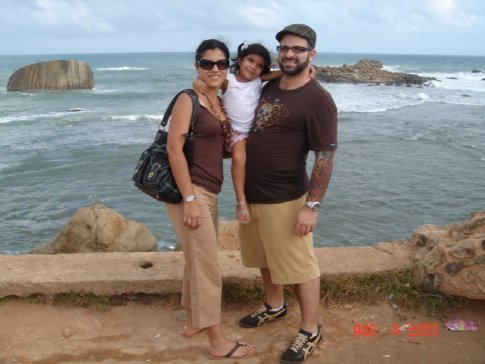
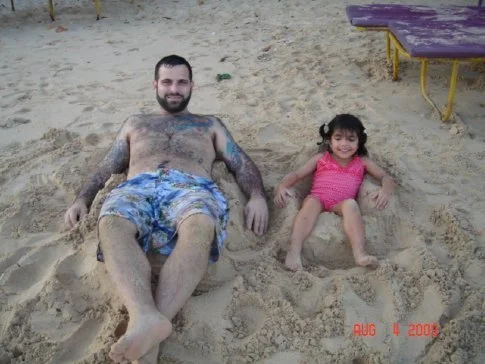
The truest map of a life is drawn in quiet, kept in handwriting, and read by no one else.