
Before It Looks Effortless
JOURNAL / FIELD NOTES
What nearly three decades in professional kitchens taught me about planning a journey
I have built menus in kitchens on three continents. I have also packed a bag more times than I can count, often for trips where the itinerary mattered almost as much as the destination.
Somewhere along the way, those two disciplines became connected.
I don't know how to plan a menu without thinking like I am planning a trip. And I don't know how to plan a trip without thinking like I am building a menu.
Both eventually come down to the same question:
What happens when it doesn't go as planned—and did I already think that far ahead?
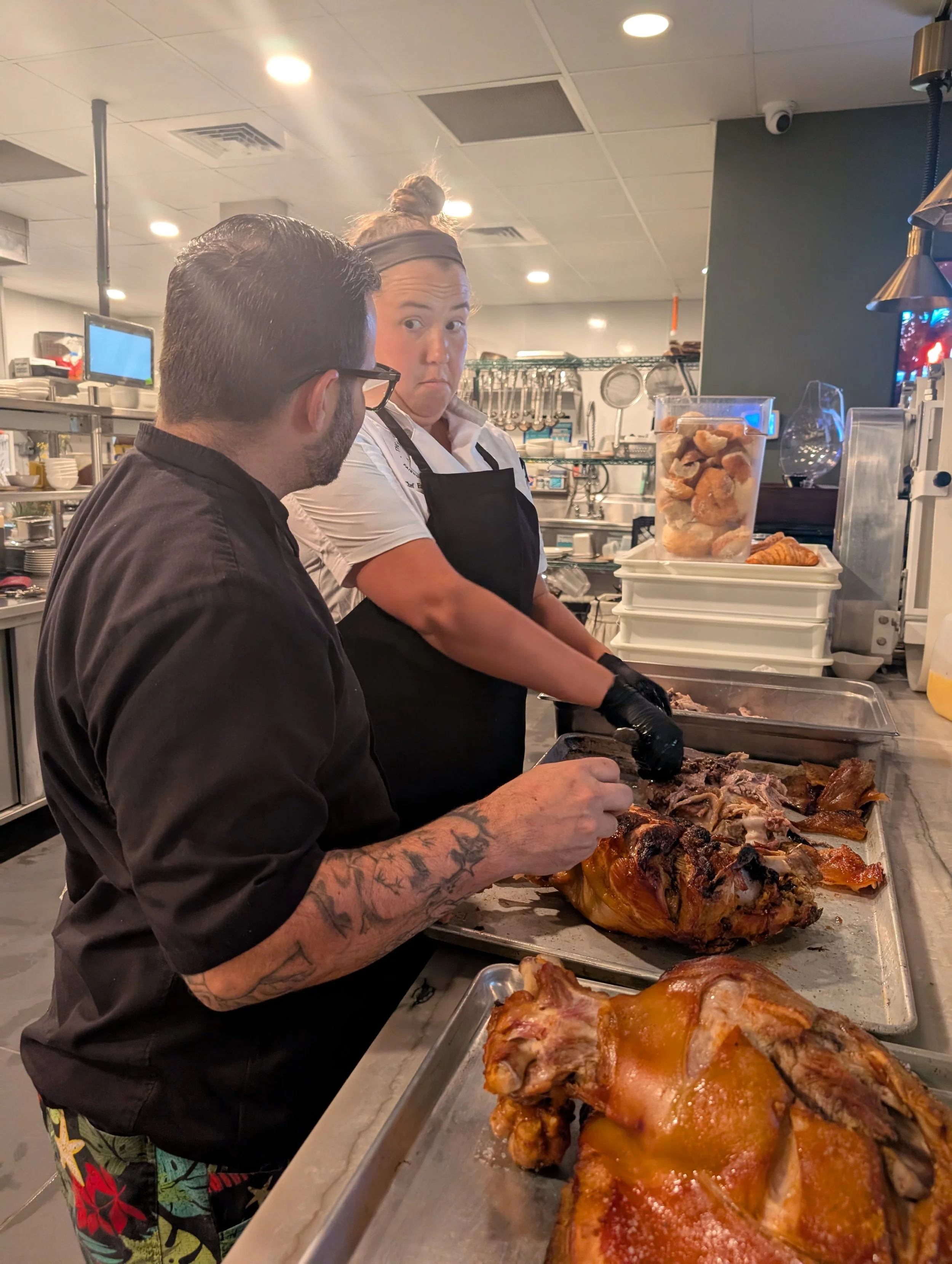
Every Trip Starts With the Worst Case
I have missed connections in airports where the next flight wasn't for two days. I have arrived somewhere to discover that a reservation I thought was confirmed no longer existed.
Those experiences didn't teach me to avoid risk. They taught me to think about the moment when risk shows up, so it doesn't become a crisis.
I approach a new menu the same way.
Before a dish ever reaches a guest, I don't ask whether it works on a good night. I want to know what happens on the worst one.
What happens when we're down a cook and the tickets start stacking up?
What happens when the delivery comes in short on the one protein the dish depends on?
What happens when a guest with an allergy asks for a version we never considered?
If the answer to any of those questions is a shrug, the dish isn't ready.
It just looks ready.
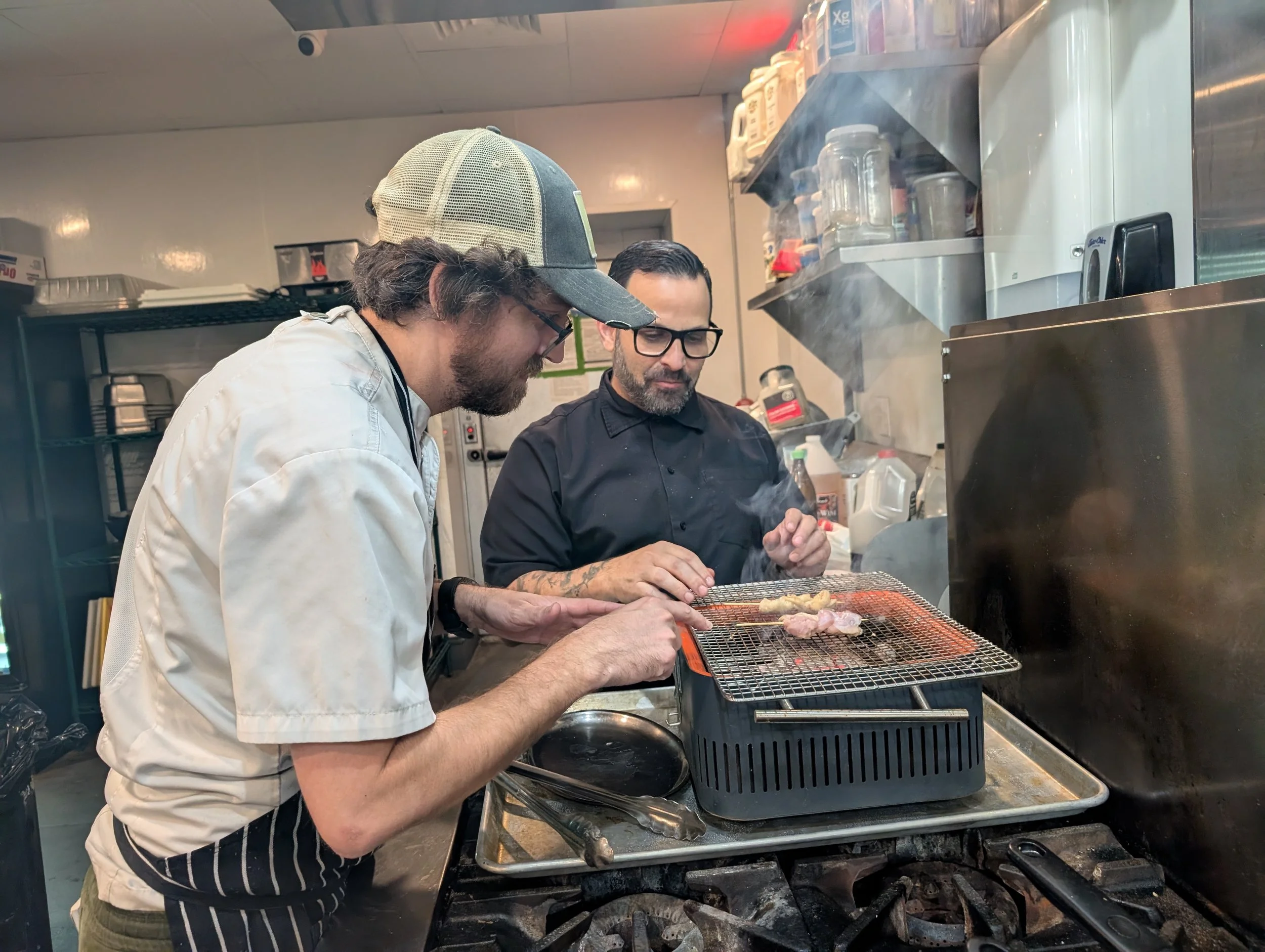
Stress Testing Is the Job
Before the Traveler's Menu ever went to print, we ran full services with the staff and no guests in the room.
The Traveler's Menu was a summer project built around six different regions, each with its own food, ingredients and story. Before asking guests to experience it, I wanted to know where it would break.
Where did ticket times slow down?
Where did a plate come back because the description promised something the kitchen couldn't consistently deliver?
Where did a server go quiet because we hadn't given them the language to answer a question?
This is the part of the work nobody sees, and it is probably the part I care about most.
A menu that has never been stress tested is a guess dressed up as a plan.
I would rather discover every flaw during a practice service, in front of my own team, than discover it in front of a guest on a Friday night.
It's the same instinct that makes me confirm a hotel reservation before I fly. I want to find the problem while I still have time to do something about it.
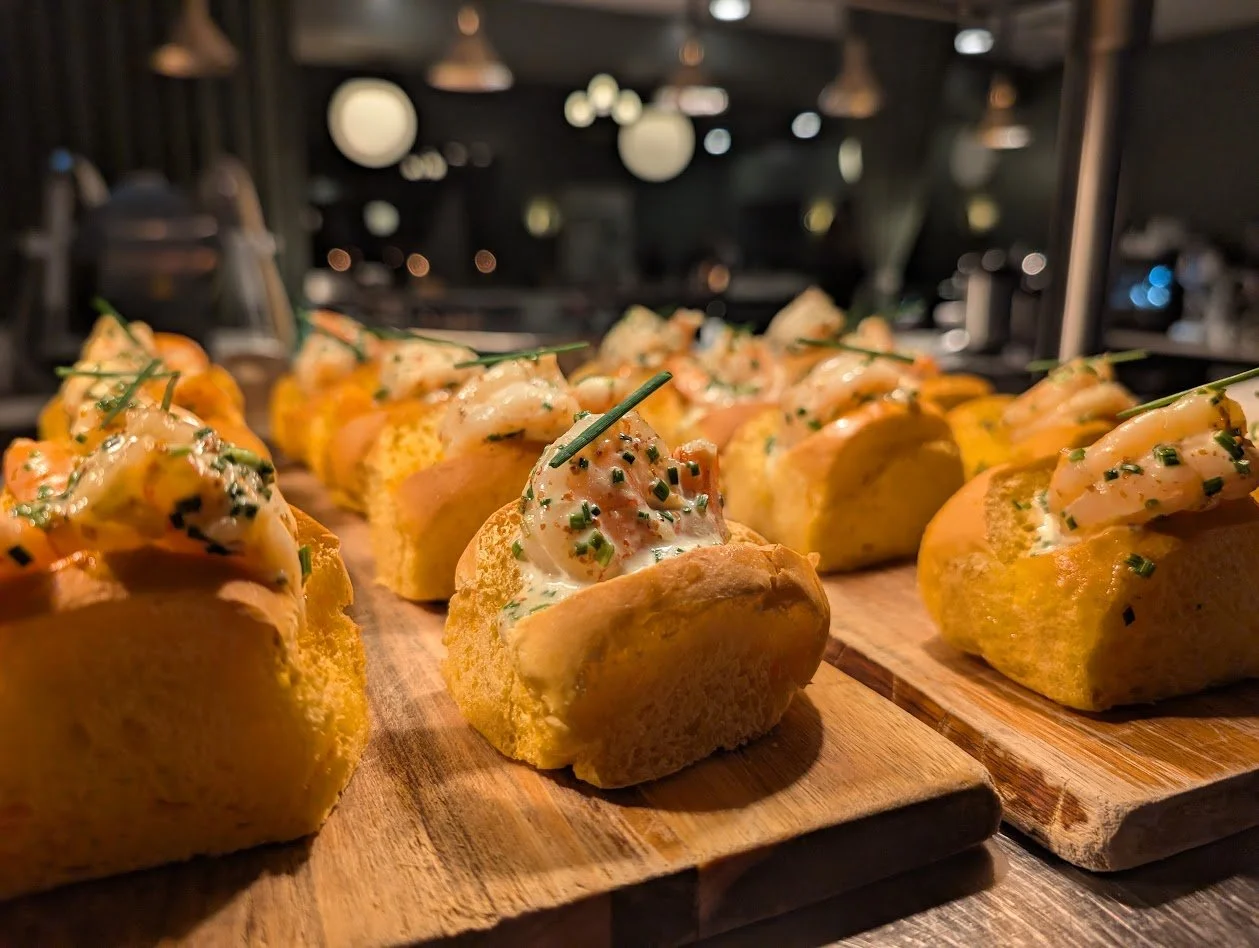
Advising Comes After the Testing
I don't like putting my name behind a recommendation until I understand what I am recommending.
That applies whether I'm advising a restaurant on a rollout, putting a dish on a menu or telling a traveler where I think they should stay.
If I haven't stayed somewhere myself, I want to know enough about it to understand where the recommendation could fail. A beautiful photograph isn't enough.
How does the hotel actually operate? Which rooms are worth booking? What do guests consistently notice? Is the location really as convenient as it sounds? What happens when something goes wrong?
Most importantly:
Would I put my own name behind sending someone there?
That's where dedication actually shows up.
Not in the photograph. Not in the plating. Not in the copy describing it.
It is in the hours spent finding out where something might break before somebody else discovers it for you.
Planning for the best outcome doesn't mean assuming the best case. It means building something sturdy enough to survive the difficult one.
Purchasing Is the Packing List I Can't Get Wrong
I rarely leave for a trip without knowing what's in my bag and why.
Every item earns its place.
Menu purchasing is the same discipline, just scaled up.
Before I commit to a dish, I want a locked list of what it requires, checked against what a vendor can actually deliver week after week—not just during the one week I happened to place a great order.
I ask something similar of a supplier that I ask of a hotel before I book it:
Will this hold up when I'm not standing there watching?
A dish built around an ingredient that can't be sourced consistently is a trip built around a flight with a history of being cancelled.
I've learned not to build around either.
Pricing Is Knowing the Exchange Rate Before You Land

I don't price a dish the way people sometimes budget a vacation—which is to say, optimistically.
I cost it the way I would build a real travel budget.
Line by line.
The actual cost of the protein. The actual labor required to produce and plate it under real service conditions. The actual waste factor. Not the number that looks good on paper before the season begins.
The Traveler's Menu moved through six regions in a single summer. Different cuisines, ingredients, sourcing challenges and cost structures, with very little room to guess.
The discipline that kept the menu working was the same discipline that keeps a multi-country trip from getting away from you:
Know the real number before you commit, not after.
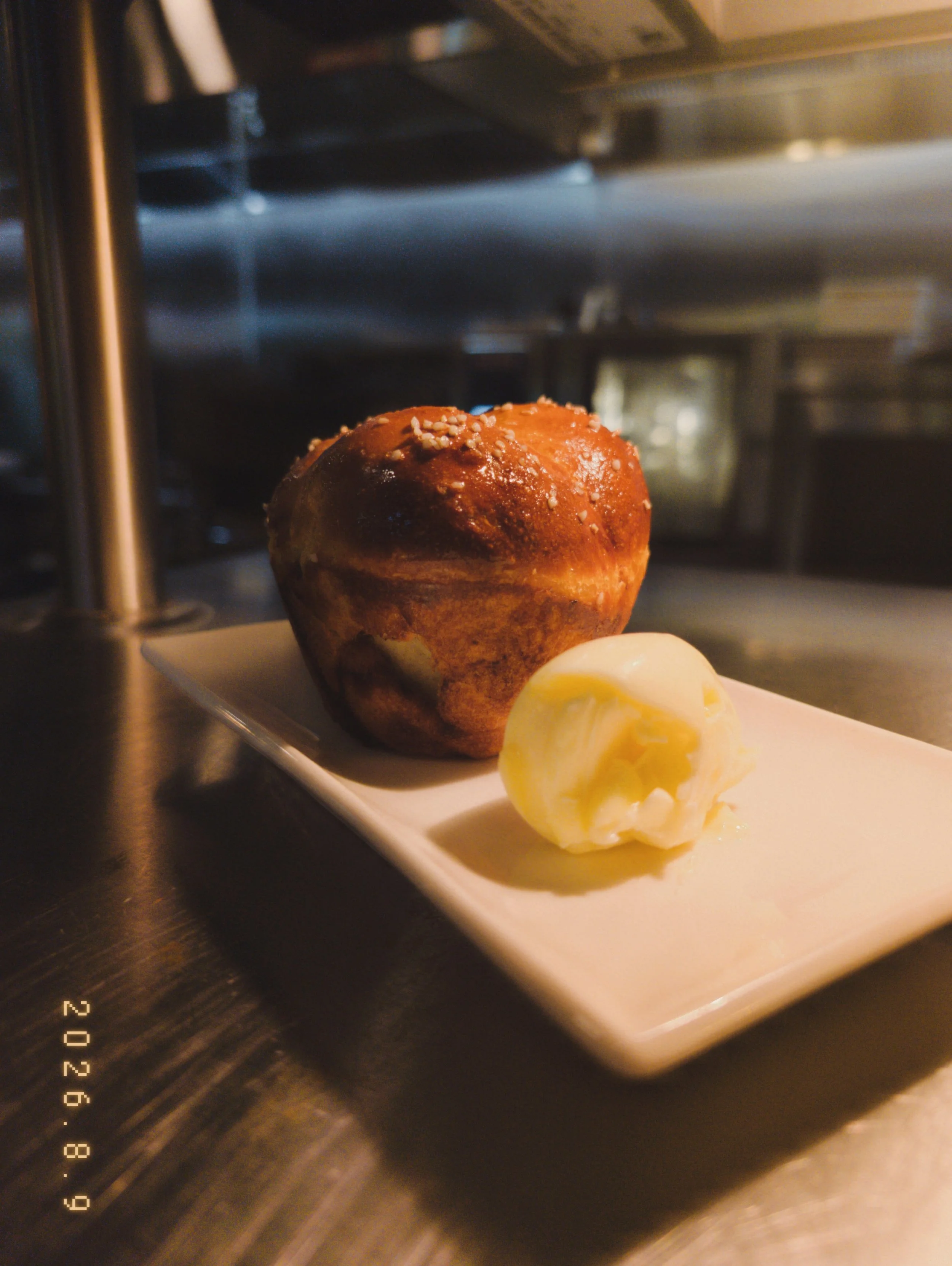
Training the Team Is Briefing Your Travel Companions
I have never taken someone on a trip without giving them some idea of what to expect.
Where are we going? What will the days look like? What should we prepare for? What shouldn't we count on?
Rolling out a new menu without proper training is sending your team somewhere they've never been without a map.
Back of house gets the why before the how.
My cooks need to understand where a dish comes from before they learn the technique behind it. Technique alone can fall apart under pressure if nobody understands the intention.
I walk the line through a new dish much the way I would walk a friend through a city I already know.
Here's where we're headed.
Here's what matters.
Here's what to do if we get off course.
Front of house needs a different map.
They aren't executing the dish. They're translating it for someone who has never tasted it.
So I write FOH materials the way I would text directions to a friend: plainly.
What is the dish?
Where did the idea come from?
What should the guest know?
What do you say when someone asks a question?
A server who understands a dish can sell it without ever sounding like they're selling anything.
The Rollout Is the Trip Itself
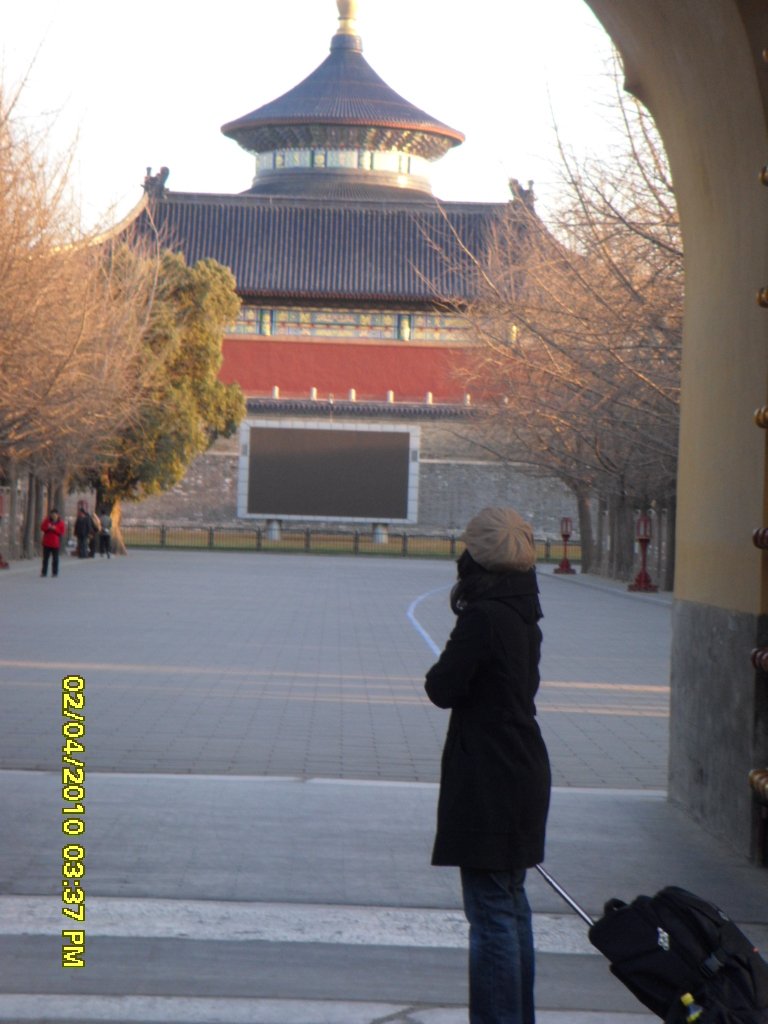
Once the purchasing is locked, the pricing is honest, and the team has been trained and stress tested, the rollout becomes what a well-planned trip becomes:
Something I can actually be present for.
Most of the anxiety should belong to the planning phase.
If that work has been done properly, service feels less like scrambling through a delayed connection and more like walking into a city after you've already studied the map.
You know where you're going.
You understand where things might go wrong.
And you're free to pay attention to what's actually happening around you.
That is the throughline across nearly three decades of kitchens and every itinerary I have built for someone else.
The work nobody sees is the reason the thing everyone sees looks effortless.
A menu should survive the night you didn't plan for.
A journey should too.
And whether I am putting a dish on a menu or an address on an itinerary, I have come to believe in the same rule:
Every one of them has to earn its place.